
Land Core Newsletter - April 2026
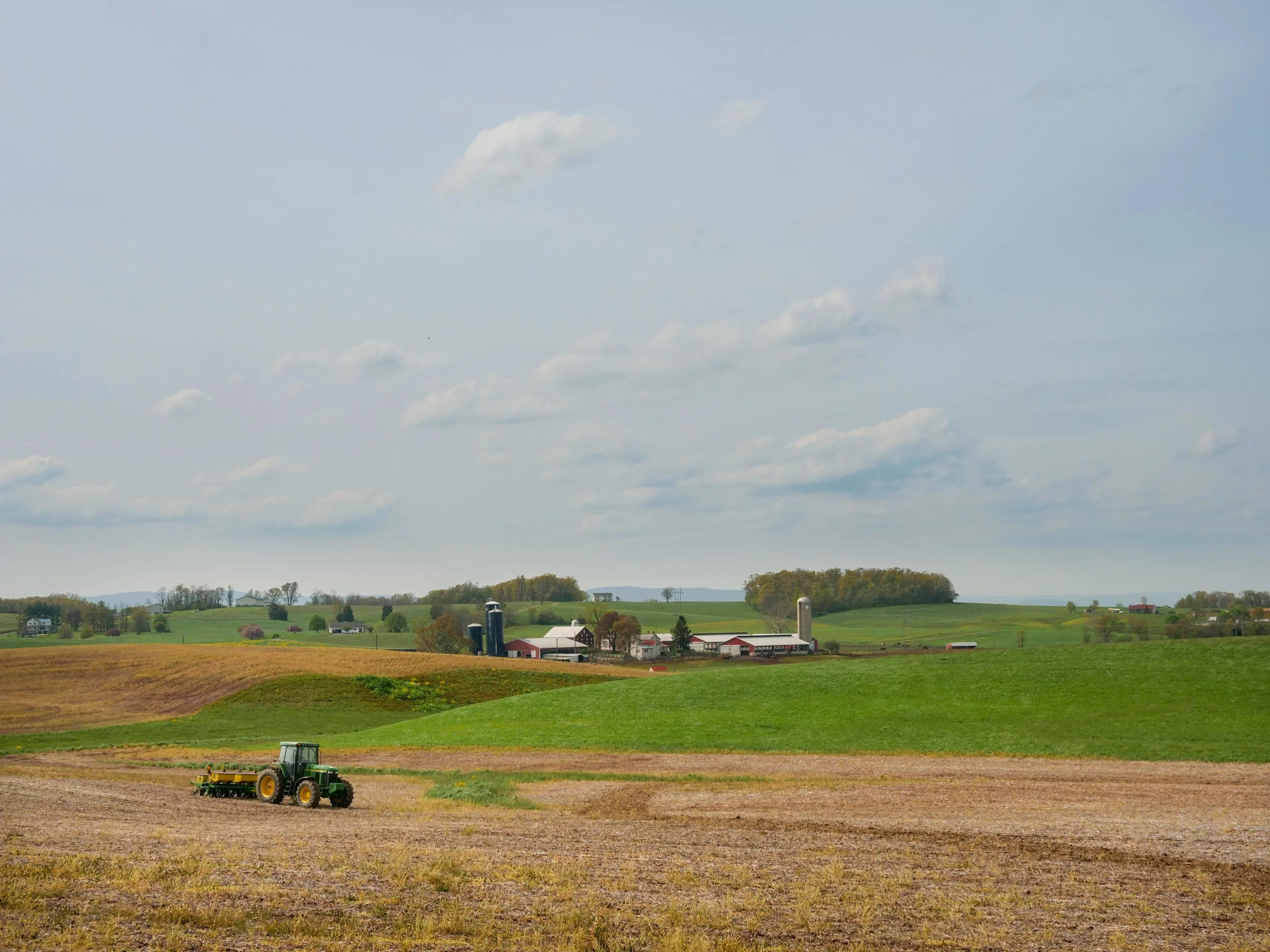
Image from USDA’s Flickr.
Dear friends & colleagues,
Spring is a season of urgency, both on farms and in Washington. As soil temperatures climb and farmers finalize planting decisions, the pace of federal agriculture policy is quickening alongside them.
The Farm Bill does appear to be inching forward. House Republicans are preparing for a floor vote the week of April 27, and Senate Agriculture Chair John Boozman signaled this week that Senate markup is now a matter of "weeks rather than months" away. While the road ahead is far from certain, the window for long-awaited updates to farm and soil health policy may finally be opening.
At the same time, producers continue to navigate a steep input cost environment. Disruptions tied to instability in the Strait of Hormuz are adding to crop production costs, and new analysis finds that fertilizer prices are expected to stay elevated into 2028. Against that backdrop, the economic case for soil health practices, reducing input dependency, building on farm resilience, and unlocking new market opportunities, remains more important now than ever.
Read on for a breakdown of federal policy updates, our recent soil health federal bill tracker alert, upcoming events, and what we're reading this month.
Warmly,
The Land Core Team
There's Still Time to Act on the SOIL HEALTH Practices Act!
Land Core has been actively supporting the SOIL HEALTH Practices Act, proposed legislation that would direct USDA's Risk Management Agency to research the risk-reduction benefits of cover cropping, reduced tillage, diversified rotations, managed grazing, and other soil health practices over a 3-5 year timeline. If findings confirm reduced risk, which we believe they will, USDA would be required to recommend appropriate crop insurance discounts or incentives for producers.
The legislative path isn't fixed yet; this could move through appropriations, the Farm Bill, or another vehicle, but momentum is building regardless.
Take Action: A growing coalition of farmers, food companies, conservationists, and ag finance leaders is backing this legislation, and the sign-on deadline has just been extended. If you or your organization hasn't added your name yet, or you know others who should, now is the time.
Policy Updates
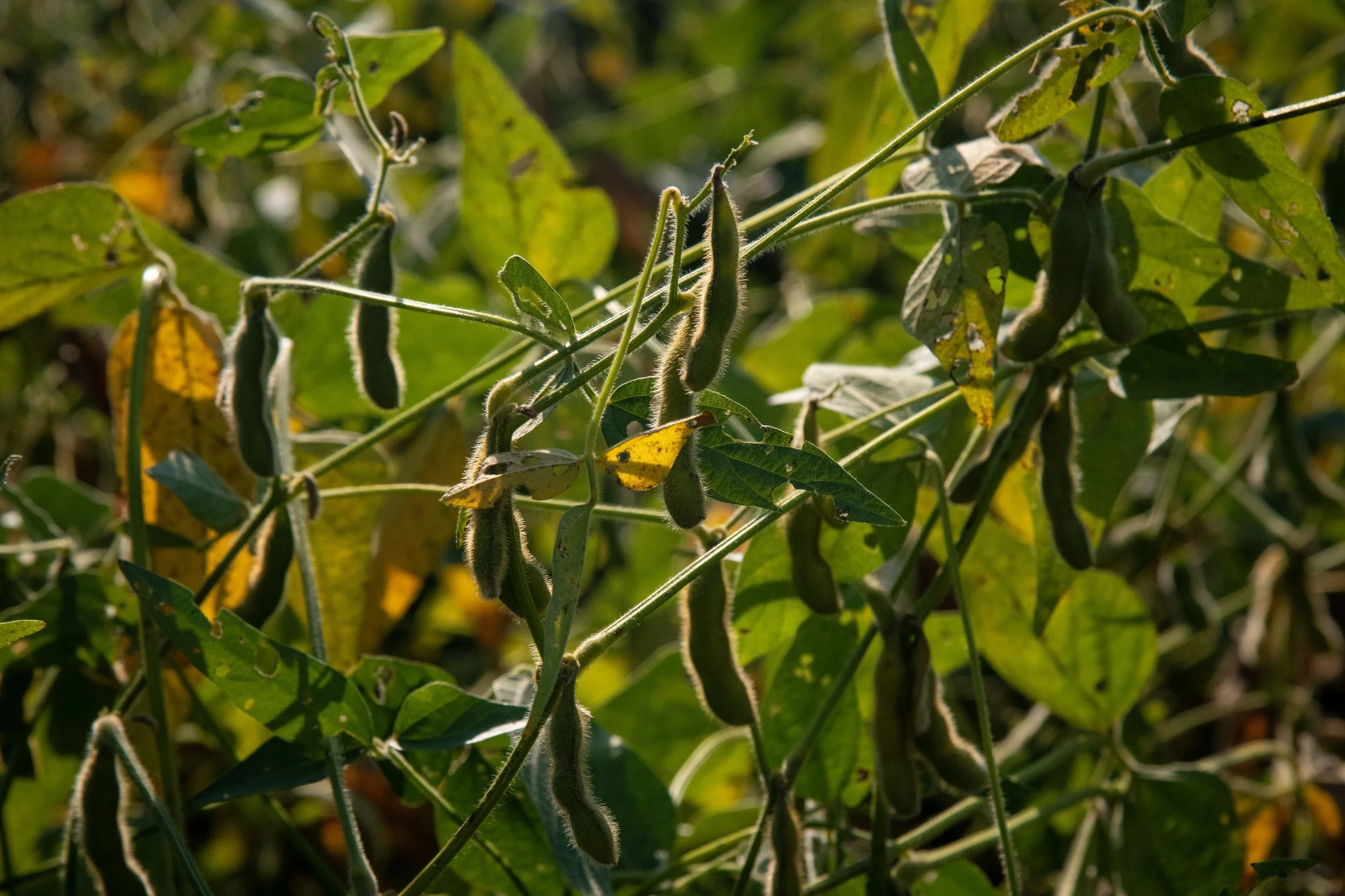
Image of soybean plants from USDA’s Flickr.
House Republicans Aim for April Farm Bill Floor Vote
There is growing pressure among Republicans to pass a Farm Bill before the midterm elections, reports Politico Pro, with Chairman Thompson calling for “a morale boost for rural America.” House leadership is planning to bring its Farm Bill to a full floor vote during the last week of April. The deadline for members to submit amendments to the farm bill is currently April 22. However, the vote may not occur until early May due to competing priorities in the House, such as the contentious negotiations on funding for the Department of Homeland Security. While passage of the House Farm Bill could amp up momentum in the Senate, the Senate has not yet released its own version of the text, nor has it scheduled its markup. However, Senate Agriculture Chair John Boozman (R-AR) informed Politico Pro reporters on April 14 that Senate markup would occur in “weeks rather than months.”
Bill Progress: Emergency Conservation Program Improvement Act
The House is set to consider H.R.1011, the Emergency Conservation Program Improvement Act of 2025, which would improve access to funds for agricultural producers affected by disasters under suspension of rules this week. (This procedural move limits debate, prohibits amendments, and requires a two-thirds majority for passage, and is typically reserved for noncontroversial legislation.) Its companion bill, S.629, passed the Senate unanimously on March 24. Learn more about the bill on Land Core’s Federal Bill Tracker here.
Rep. Tom Cole Scheduled Markup for Agriculture Appropriations bill
On the appropriations front, House Appropriations Committee Chairman Tom Cole (R-OK-4) released the FY2027 markup schedule on April 13. The Agriculture, Rural Development, Food and Drug Administration, and Related Agencies Bill is scheduled for subcommittee markup on April 23 and full committee markup on April 28.
USDA Announces Specialty Crop Investment
On April 13, USDA Secretary Brooke Rollins announced the availability of over $275 million in FY2026 grant funding for the specialty crop industry through the Specialty Crop Research Initiative (SCRI), the Specialty Crop Block Grant Program (SCBGP), and the Specialty Crop Multi-State Program (SCMP). The funding increase stems from the Working Families Tax Cuts (also known as the “One Big Beautiful Bill”), which more than doubled annual SCRI funding from $80 million to $175 million and raised combined SCBGP and SCMP funding from $85 million to $100 million per year. Notably, the SCRI funding opportunity will, for the first time, set aside at least $20 million specifically for research into mechanization and automation technologies for the specialty crop industry. For FY2026, pre-applications for SCRI are due on June 15, 2026; applications for SCBGP are due on June 8, 2026; and applications for SCMP are due on October 16, 2026.
Republicans Seek Legislative Vehicle for Additional Farm Aid
Farm-state Republicans are struggling to find a legislative vehicle for another round of economic aid for farmers, according to Politico Pro. Senate negotiators had hoped for a $15-17 billion package with a carveout specifically for specialty crop producers, but Congress returned from recess with a packed agenda that doesn’t include farm aid. The stalled effort adds pressure on Republican leadership to advance a farm bill before the midterms, particularly as specialty crop growers were largely left out of the administration’s initial $12 billion package and rising fuel and fertilizer costs tied to the war in Iran continue to squeeze producers.
Sign On Opportunity: ASBN’s Farmers & Food System Resilience Letter
The American Sustainable Business Network (ASBN) is circulating a sign-on letter to Congress calling for a more coordinated agriculture and energy strategy in response to rising input costs driven by global supply chain disruptions. The letter calls for investments in soil health, regenerative and diversified farming practices, on-farm renewable energy, and policies that help farmers reduce risk and long-term costs.
Land Core is sharing this opportunity from ASBN and encourages partners across agriculture, food, and business to consider adding their voice in support of a more resilient and stable food system.
👉 Sign on here and add your organization to the letter ahead of its upcoming delivery to Congress.
ICYMI: Our Most Recent Bill Tracker Alert is Live!
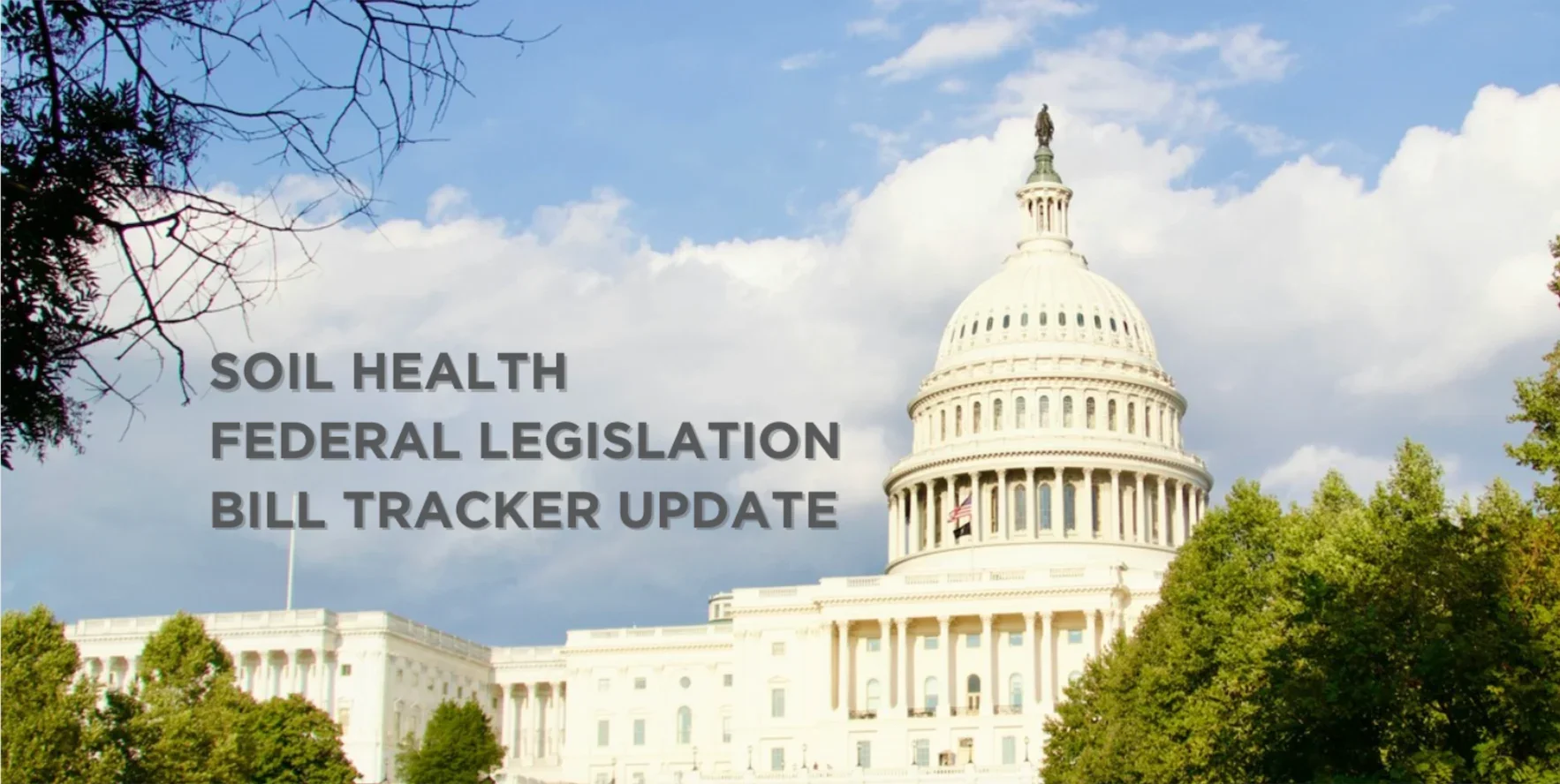
Image from Unsplash+.
Our April 2026 Federal Soil Health Bill Tracker Alert was sent recently and is now available to read on our blog. This alert included a breakdown of bills from our tracker that made it into the House Farm Bill’s text, in addition to our usual overview of newly introduced and reintroduced bills, and highlights from the most active legislators.
Keep an eye out for the next Bill Tracker Alert coming later this spring, and make sure you’re signed up for our quarterly alerts here.
A Gift That Grows: Support the Soil This Spring
As the growing season begins, there's no better time to invest in soil health. Consider making a donation to Land Core or giving in honor of a farmer, family member, or friend who cares about the future of our food & agriculture system.
Land Core is the only organization fully focused on advancing federal policy and financial incentives for soil health in both the public and private sectors, bridging political divides, and creating real economic value for farmers. Whether you give as an organization or an individual, through a one-time donation or a small monthly contribution, your support makes a tremendous difference.
This spring, give a gift that nourishes the land that sustains us all — support Land Core today.
We recently celebrated the reintroduction of the Congressional Soils Caucus on our socials!
Stay in the loop on soil health, ag policy, and everything happening at Land Core: Instagram, LinkedIn, Facebook & X.
Upcoming Events
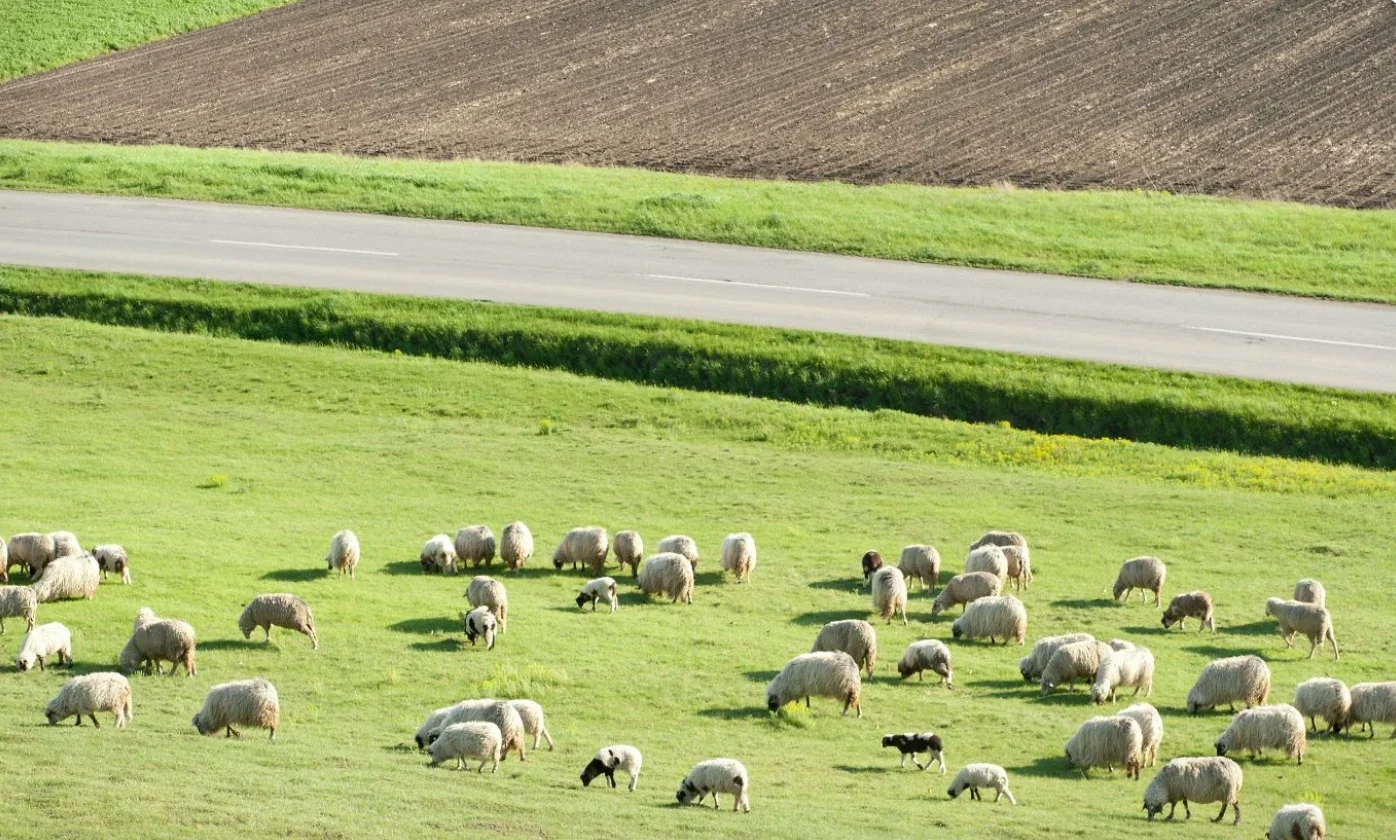
Image by Riccardo Atrot on Unsplash+.
April 20, 2026 - Regenerative Agriculture Investment Forum (San Francisco, CA - 2p-3:30p PT): As part of SF Climate Week, join leading agriculture lenders, market analysts, and investors for a forum on financing regenerative and small-scale farming. The session will highlight successful financial models and investment opportunities, featuring panelists from California FarmLink, Mad Agriculture, Food System 6, TomKat Ranch Educational Foundation, Agricultural Platform Collective, and 5th C, followed by open networking. Request to attend here. See other SF Climate Week events here, including this Food 2050 Screening & Panel: Local Solutions for a Global Food Future.
April 21 + 22, 2026 - Two Food/Farming Screenings in Colorado
Organic Rising: The Future of Food (Boulder, CO - 5p-9:30p MT): On the eve of Earth Day, join Causeway Impact for a reception featuring local organic food and beverages, a screening of Rising Organic, and a fireside conversation and Q&A with award-winning photojournalist and filmmaker Anthony Suau. Register here.
Farm Hero Season 2 Premiere (Denver, CO - 6:30p-8:30p MT): An evening of film, food, and conversation at the Season 2 premiere of Farm Hero, a TV series dedicated to regenerative agriculture. Following the screening, join a live panel and Q&A with leaders across food and agriculture, and a music performance by Billy Otto. Register here.
April 28, 2026 - From Metrics to Farmer Mindsets: A Discussion on Key Findings from JSWC's Soil Health Issue (Virtual - 1p-2p CT): Join SWCS for a webinar featuring researchers from the Soil Health Institute and Michigan State University presenting two studies from the Journal of Soil and Water Conservation's soil health special issue: one on management practices and soil health measurements in southern U.S. cotton regions, another on how Michigan row crop farmers define and adopt soil health practices. Register here.
April 29-30, 2026 – RegenerativeNYC (Brooklyn, NY - 8a-5p ET): A two-day gathering of 300+ farmers, investors, researchers, brands, supply chain actors, and policymakers focused on building the future of regenerative food systems. Programming includes panels and talks on topics ranging from soil carbon and farm finance to regenerative textiles and animal welfare, plus a Regenerative Market, careers fair, and happy hours. Register here.
May 27-28, 2026 - Road to Regenerative Conference (Kingston, RI - University of Rhode Island): Join farmers, funders, researchers, technical service providers, and policymakers for a two-day conference exploring agroforestry, ocean farming, and the land-to-sea connection. Sessions will cover silvopasture, regenerative aquaculture, kelp farming, biodiversity monitoring, farm financing, and more, with field visits to working farms and kelp and oyster operations on Day 2. Discounts available for farmers, veterans, and nonprofits. Register here.
What We're Reading
Image from Unsplash+.
Even optimistic scenarios now show elevated fertilizer prices into 2028
New analysis from North Dakota State University finds that fertilizer prices will remain elevated through 2027 and into 2028 under all modeled scenarios, including a swift reopening of the Strait of Hormuz. Southern producers are bearing the brunt, with nearly 80% reporting they can't afford to cover all their fertilizer needs.
By Oliver Ward, Agri-Pulse, April 14, 2026
USDA Finalizes Rollback of Environmental Permitting Regulations
The USDA has finalized a rule overhauling its implementation of the National Environmental Policy Act (NEPA), reducing environmental review requirements by 66%, eliminating public comment opportunities, and removing climate change and environmental justice considerations. Secretary Rollins says the changes will speed up permitting for farmers and rural communities, while environmental groups warn that it will lead to "rubber stamping" of projects on public lands and have filed suit opposing the rule.
By Lisa Held, Civil Eats, April 9, 2026
Opinion: Why a progressive and a MAHA activist are joining forces against Big Chemical
An unlikely alliance between Rep. Chellie Pingree and MAHA advocate Kelly Ryerson is calling for stronger accountability for pesticide manufacturers, opposing proposed farm bill provisions that would limit state regulation and shield companies like Bayer from liability. The authors also highlight the upcoming Supreme Court case on glyphosate-related lawsuits and argue that growing bipartisan concern over toxic chemical exposure is reshaping the political landscape.
By Rep. Chellie Pingree (D-ME) and Kelly Ryerson, The Hill, April 8, 2026
Fertilizer spike adds up to $35/acre for US corn as Iran crisis deepens
A new report from Rabobank warns that fertilizer supply disruptions tied to instability in the Strait of Hormuz are driving sharp price increases, raising corn production costs by up to $35 per acre in the US. The surge is expected to squeeze farm margins globally, prompting farmers to cut fertilizer use, shift crops, and potentially reduce yields, posing broader risks to food production and price stability.
By Elaine Watson, Ag Funder News, April 7, 2026
Corporate demand is driving a boom in farmland carbon credits
A new report from Trellis Group finds that corporate buyers, including Microsoft and Walmart, are accelerating demand for farmland-based carbon credits and insets, fueling rapid growth in agricultural carbon markets tied to practices like reduced tillage and fertilizer optimization. Developers such as Indigo Ag and Agreena are scaling issuance, while new standards and pilot programs are strengthening market credibility and expanding use across supply chains, including food, retail, and tech.
By Jim Giles, Trellis, March 30, 2026
Where regenerative farming practices could increase yields: a global assessment
A new study finds that regenerative practices such as cover cropping, agroforestry, and no-till farming could boost yields across global cropland, with cover cropping showing the highest potential impact. However, results vary widely by region and conditions, underscoring that there is no one-size-fits-all approach and that targeted, location-specific strategies will be critical to scaling regenerative agriculture effectively.
By Kpade O. L. Hounkpatin et al., npj Sustainable Agriculture, March 25, 2026