
Land Core’s New 1-Pager - “The Economic Value of Soil Health: Less Risk, More Resilience”
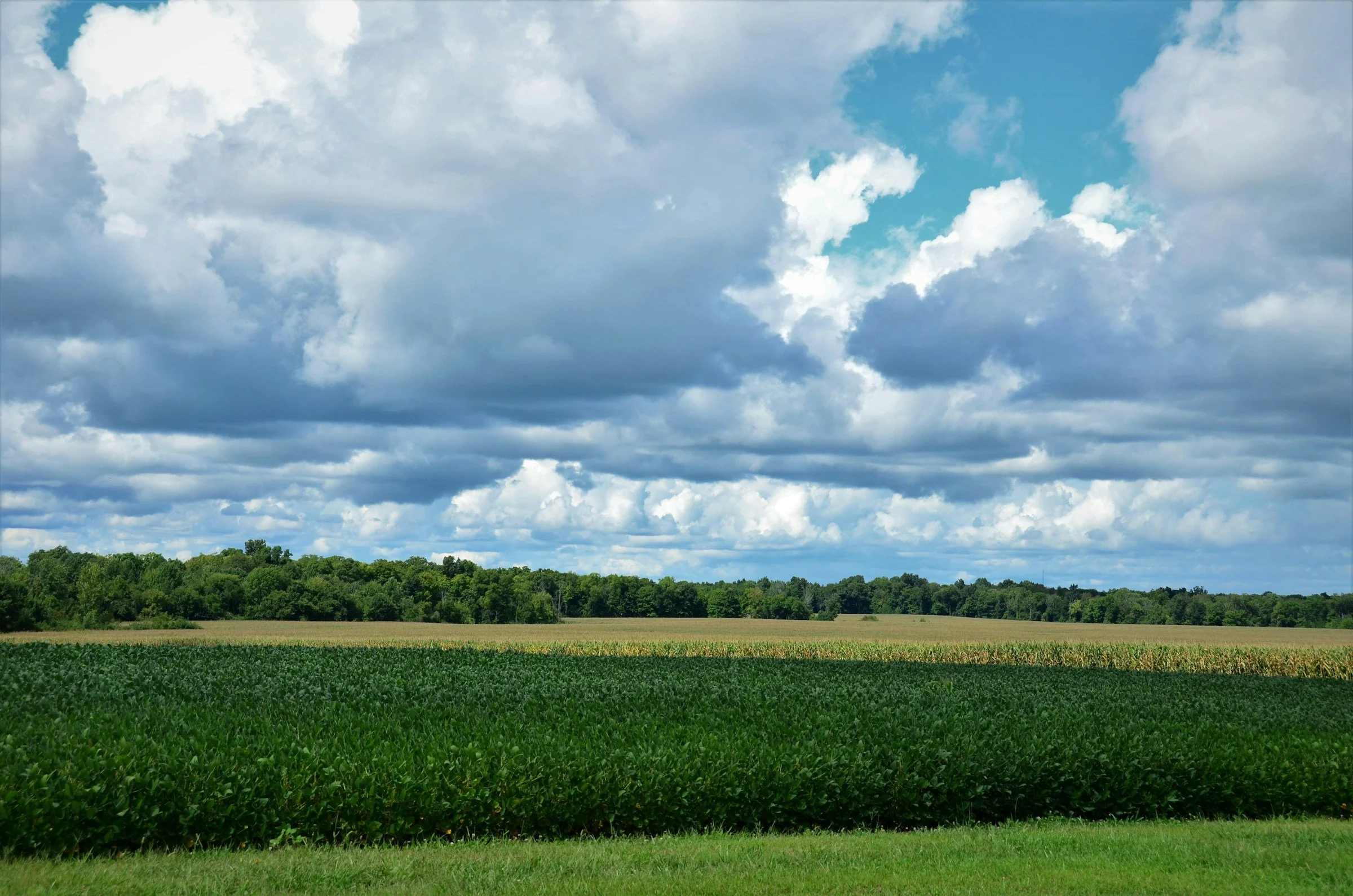
Image from Unsplash+.
American agriculture is under real financial strain. Farm bankruptcies are up 46% since 2024. The country lost 15,000 farms in 2025. And average annual crop insurance indemnities more than doubled between 2015 and 2024, climbing from $6.7 billion to $14 billion.
These numbers point to an agricultural system under growing pressure, one where producers are absorbing more risk each year, and taxpayers are picking up more of the tab through federal crop insurance.
However, a growing body of research indicates that soil health practices, such as cover cropping, diversified crop rotations, reduced tillage, and rotational grazing, measurably reduce risk.
Land Core's new fact sheet, “The Economic Value of Soil Health: Less Risk, More Resilience," distills the evidence into a single 1-page resource for policymakers, producers, financial stakeholders, soil health advocates, and partners nationwide.
The fact sheet draws on Land Core's own FFAR-funded risk modeling research alongside findings from institutions including Auburn University, North Carolina State University, the University of Arizona, USDA, the Soil Health Institute, and Yale University.
A few highlights:
Diversified rotations lower yield risk: across five Midwestern states (Illinois, Wisconsin, South Dakota, Ohio, and Minnesota), adding just one crop to a rotation reduces the chance of yields falling below 95% of the historical average, with reductions exceeding 5% for most farmers and topping 10% in several counties, all without sacrificing cash crop production.
More diverse rotations can also support revenue: in that same region, moving from a 2-crop to a 3-crop rotation maintained or modestly improved mean corn revenue in most counties studied, while cutting vulnerability in yield-loss years, with the largest gains on bigger farms.
Field-level gains show up in insurance costs: soil health practices buffer against drought and excess moisture, the two leading drivers of insured crop losses. One study found that a 1% increase in soil organic matter corresponded to a 36% reduction in insured losses under severe drought, across 754 corn-producing counties from 2000 to 2016. Separately, researchers found that a 1% increase in cover crop adoption was associated with $39 million less in prevented planting indemnities. And producers who adopt a soil health management system see average savings of $7 to $14 per acre.
These data points and findings matter for more than just producers. They're relevant to agricultural lenders assessing portfolio risk, insurers pricing premiums and coverage levels, businesses, food and biofuel companies managing supply chain exposure, and policymakers deciding where conservation dollars go furthest.
As farm finances tighten and crop insurance costs climb, soil health has emerged as one of the clearest, most cost-effective levers for building resilience into our agricultural system, for producers and taxpayers alike.
Healthy soil isn't just good land stewardship. It's good economics.
Please share this resource with policymakers, producers, financial stakeholders, soil health advocates, and partners in your network.
For further information, please contact Land Core’s Co-Founder and Executive Director, Aria McLauchlan.
Land Core is a 501(c)3 organization with a mission to advance soil health policies and programs that create value for farmers, businesses and communities. The organization is building the missing infrastructure and market-based incentives that will make the rapid adoption and scalability of soil health possible.