
Land Core Newsletter - September 2026
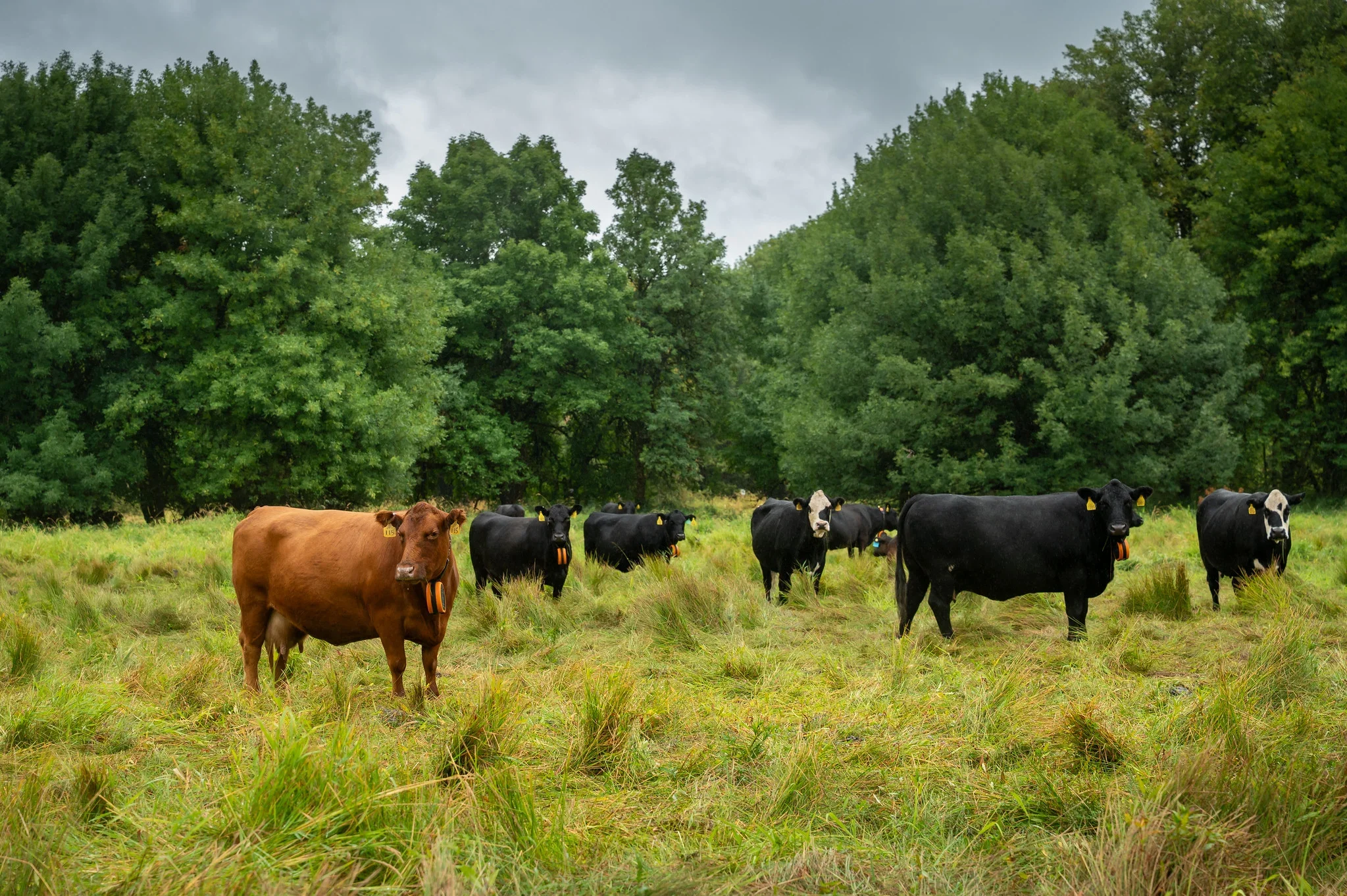
Image from USDA's Flickr.
Dear friends & colleagues,
Harvest is underway across the Midwest as farmers weigh tight margins, weather predictions, and plan for next season. September brought movement on several policy fronts: the Senate Farm Bill finally cleared the Agriculture Committee, Congress averted an October 1 shutdown, and the upcoming midterms are set to reshape Ag Committee leadership. We break it all down below.
We were also proud to see our input reflected in SEEC Institute's new Thriving Economy Project, which includes a call for federal crop insurance that accurately prices risk and rewards de-risking practices. That idea is at the heart of the Agricultural Risk Reduction & Resiliency Policy Platform we're building, and we'd still love your input as we shape it. More on how to get involved below.
Read on for federal policy updates, new reports and resources, funding opportunities, upcoming events, and more.
With gratitude,
The Land Core Team
Federal Policy Updates
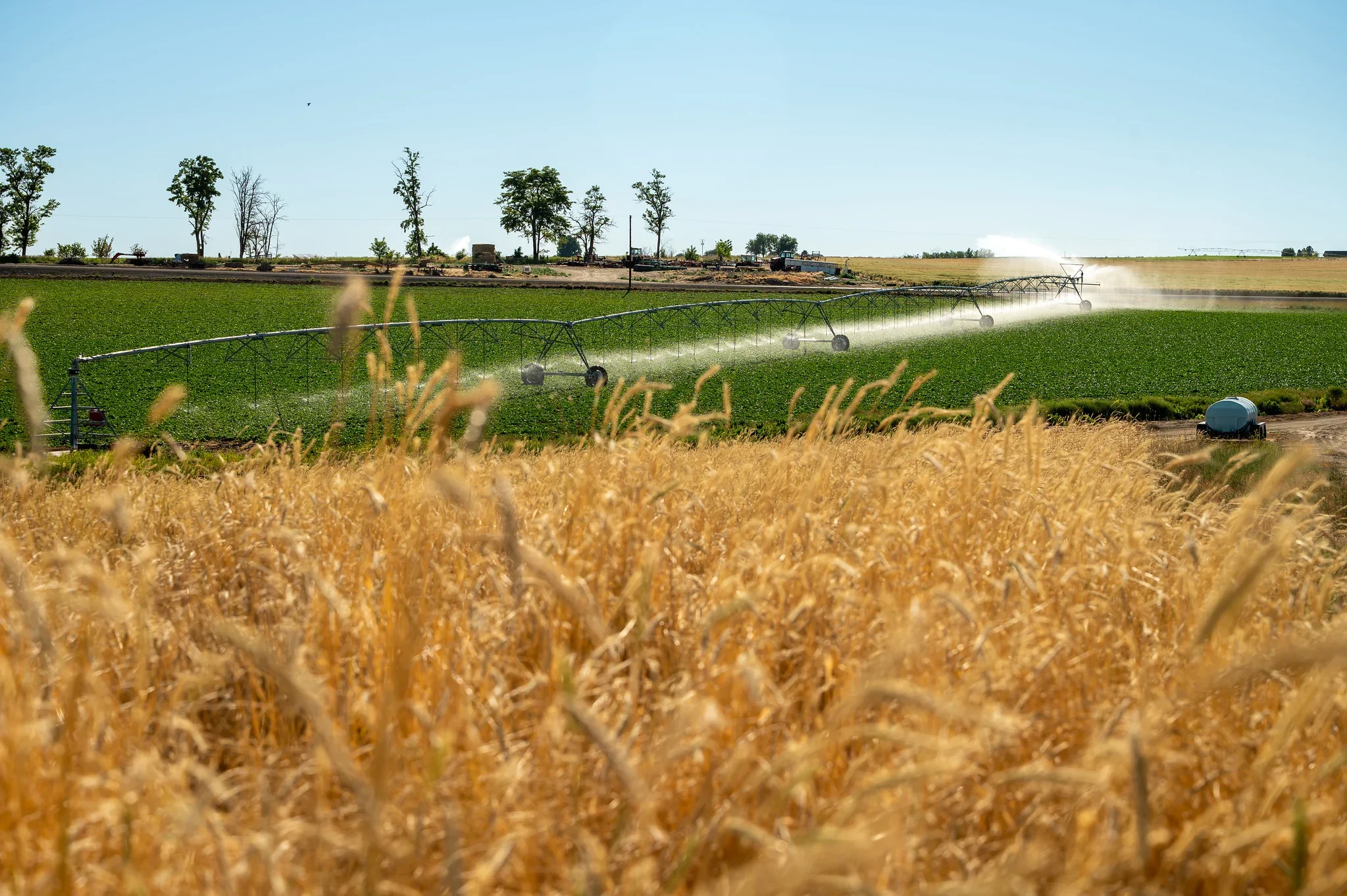
Image from USDA's Flickr.
Senate Farm Bill Clears Committee
On September 16, the Senate Agriculture Committee advanced the Agricultural Act of 2026 on a 12-11 party-line vote, as amended, after the bill stalled 10-11 in August. With the House having passed its version, the Farm, Food, and National Security Act of 2026, in April, both chambers now have a bill on the table. The harder test is the Senate floor, where a farm bill needs 60 votes for cloture. With a 53-47 Republican majority, advocates argue that a bipartisan deal on SNAP state cost-share is the only path forward. Timing is still uncertain, with a floor vote possible before the midterms but unlikely until November and the lame-duck session.
Midterms Set to Reshape Ag Committee Leadership
Whatever happens on November 3, both Agriculture Committees will look different next year. On the Senate side, Ranking Member Amy Klobuchar is running for Minnesota governor, and the next two Democrats in line, Tina Smith (D-MN) and Dick Durbin (D-IL), are both retiring. That leaves the top Democratic seat undetermined, though Sen. Michael Bennet (D-CO) is technically next in line by seniority. In the House, Chairman G.T. Thompson has requested a waiver from Republican leadership to serve beyond his six-year term limit, with Rep. Austin Scott among those next in line if he doesn't receive one. Ranking Member Angie Craig will leave the House after losing Minnesota's Democratic Senate primary, and Rep. Shontel Brown of Ohio is considered a leading contender to succeed her, potentially as chair if Democrats win the House. With several Midwest farm-state voices departing and the farm bill still unfinished, the next Congress will be taking up agricultural policy with new leadership.
Funding News
October 1 Shutdown Prevented
Congress passed a CR (H.R. 6500) that funds the federal government at FY2026 levels through December 11, avoiding a repeat of last fall's shutdown. The bill keeps SNAP and WIC running at current levels, maintains USDA farm ownership loans, and extends the Livestock Mandatory Reporting and National Flood Insurance programs. It also delays OMB's proposed overhaul of the Uniform Guidance rules that govern how federal grants are administered, giving grantees more time to prepare. With none of the FY2027 appropriations bills finished, Congress will face another funding deadline in December.
$12B in Farm Aid Pending in the Senate
In July, the House narrowly passed (216-214) a $95 billion budget resolution that includes up to $12 billion in economic assistance for farmers. House Ag Chairman G.T. Thompson has indicated the funds would go toward row crops, specialty crops, and sawmills. The package faces an uncertain path in the Senate, where the aid is bundled with defense and election-related provisions and some farm-state senators have pushed for a larger amount.
Farm Data
USDA announced its new Data Modernization Plan this month, which will seek to streamline the agency's monitoring and reporting infrastructure for farmers. The plan includes a pilot project evaluating satellite imagery, geospatial tools, and modeling to estimate yield and acreage. Farm data privacy is another pillar of the plan, an issue that has also been drawing Congressional attention. Sen. Pete Ricketts (R-NE) introduced the Agriculture Data Privacy Act, which would require companies to get a farmer's written consent before accessing, using, or sharing their agronomic, land, livestock, weather, and management data. The bill is modeled on a Nebraska law (LB525) that passed the state Legislature unanimously and was signed in April.
Executive Actions: Domestic Beef
Earlier this month, President Trump signed an Executive Order directing USDA and the U.S. Trade Representative to deliver an economic analysis of mandatory country-of-origin labeling for beef within 90 days, a move that comes as ranchers push back on the administration's plan to import more than 660 million pounds of lean beef trimmings at reduced tariffs.
🌾 Donate to Land Core! Support our programs to advance soil health and a resilient agricultural system in the U.S.
New Reports & Resources
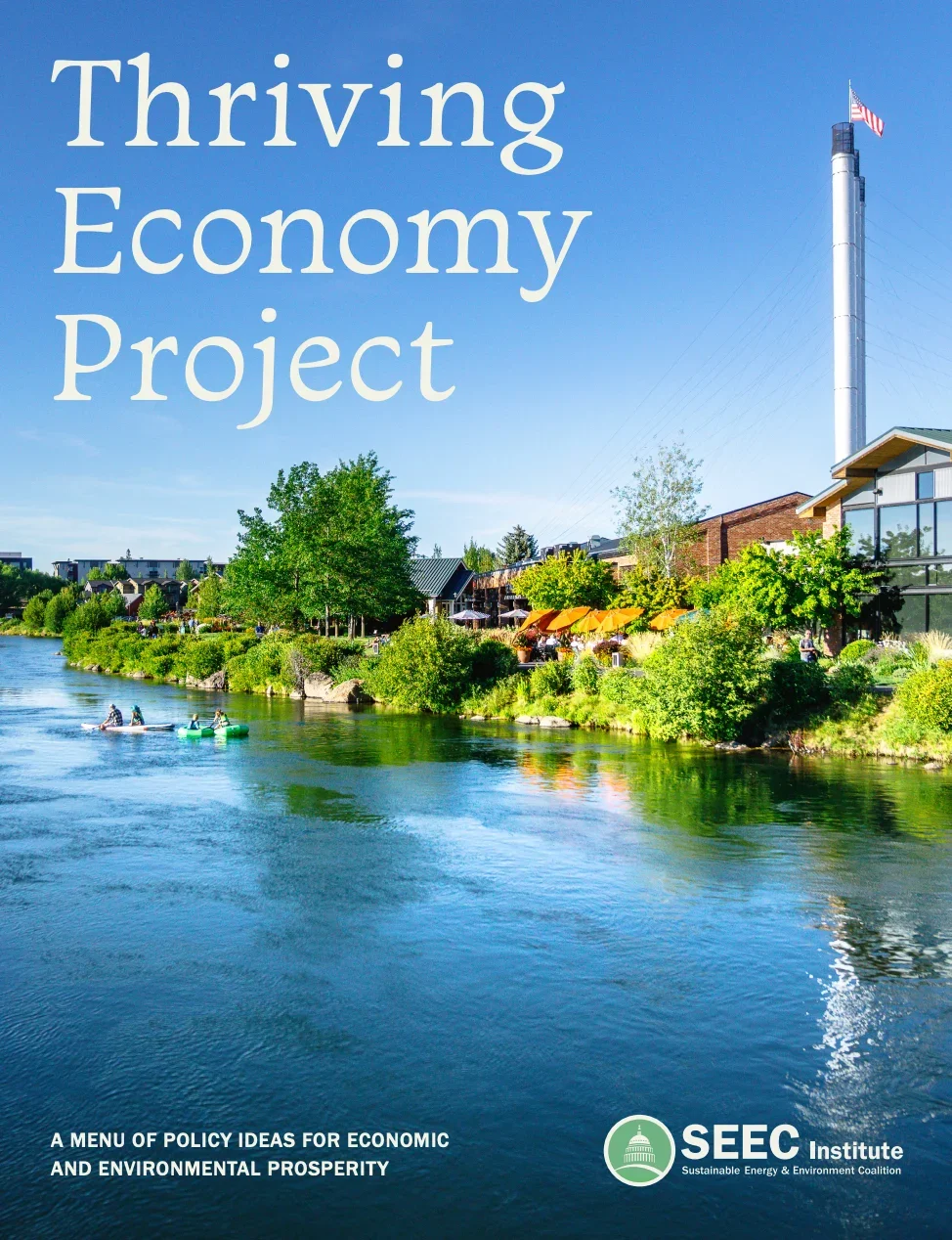
SEEC Institute: “Thriving Economy Project”
SEEC Institute has released the Thriving Economy Project, a menu of policy ideas spanning agriculture, rural economies, communities, energy, and finance. We were proud to contribute to the RFI and to see Benchmark #1.6 included in the 21st Century Agricultural Opportunities Chapter: "Federal crop insurance accurately measures risk, appropriately prices that risk for the market, and incentivizes de-risking practices," a direct reflection of Land Core policy priorities.
“A profitable farming business is achievable, but it requires… a different view of how farmers make money and where their revenue comes from, ensuring that soils are healthy, safety nets reward long-term resilience, and federal programs are practical tools that farmers can actually use.” - SEEC Institute, Thriving Economy Project, Chapter 1: 21st Century Agricultural Opportunities
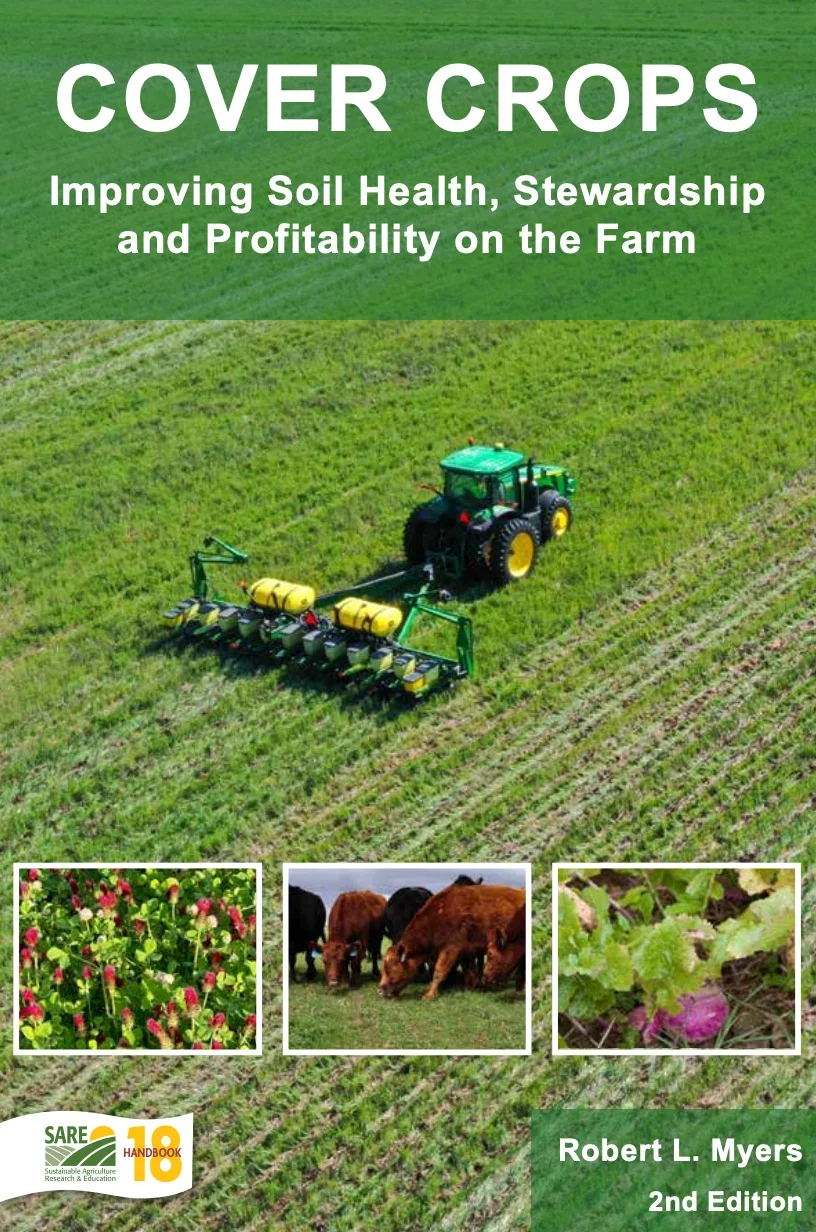
New SARE Handbook: “Cover Crops: Improving Soil Health, Stewardship and Profitability on the Farm”
Written by Robert L. Myers, Ph.D., Director of the University of Missouri Center for Regenerative Agriculture, SARE's newly updated handbook draws on decades of research and farmer experience to help producers choose and manage cover crops that fit their operations, from species selection and equipment strategies to ensuring cover crops are profitable. This second edition adds new chapters on grazing, horticulture, and organic systems, along with stories from 12 grain, vegetable, and livestock farmers across the country. Read it free online or order a print copy.
White Paper: “Mobilizing Private Investment to Scale Regenerative Agriculture”
Drawing on a roundtable of 14 companies and farmer-facing organizations convened by Keystone Policy Center and PepsiCo, this white paper finds that the barrier to scaling regenerative agriculture isn't farmer willingness but whether markets, policy, and financial systems make the transition pencil out. It highlights how crop insurance, lending, and land valuation can penalize risk-reducing practices, and points to yield warranties as a proven way to de-risk the farmer's decision.
“When crop insurance, lending terms, and land valuation treat regenerative practices as risk reducing – rather than as a deviation from a yield-maximization model – the math changes for the farmer, the lender, and the company sourcing from that farm.” - Keystone Policy Center and PepsiCo, Mobilizing Private Investment to Scale Regenerative Agriculture
One Billion Acres Campaign Launch: A Global Push for Regenerative Agriculture
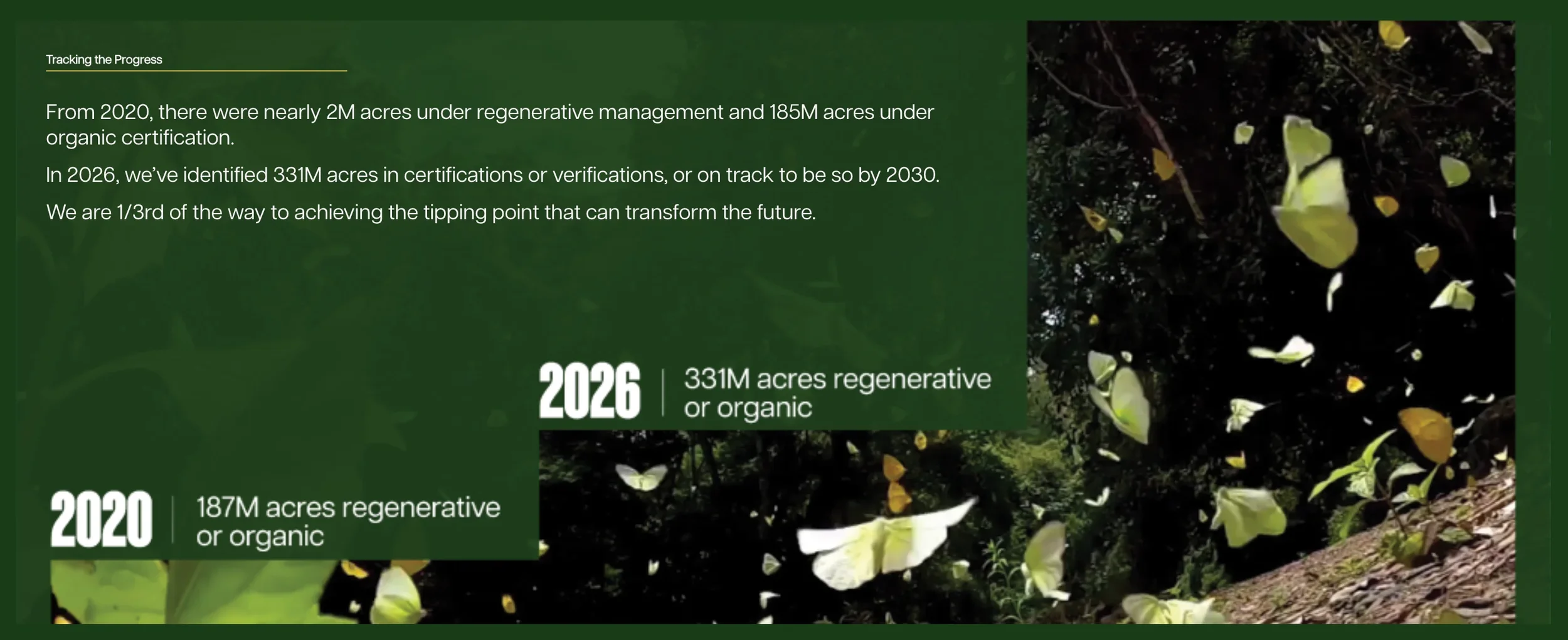
Image from the One Billion Acres Campaign Website.
Last week at NY Climate Week, the filmmakers behind Kiss the Ground and Common Ground officially launched One Billion Acres, the impact campaign for their new documentary Groundswell. All three films are now streaming on Amazon Prime.
The goal: bring one billion acres, about 10% of global agricultural land, into regenerative agriculture by 2030. Commitments from brands, governments, farmers, and others are verified by certification partners and added to a public tally, which the campaign says already stands at roughly one-third of its goal (331M acres in certifications or verifications, or on track to be so by 2030). Early brand partners include Nespresso, Applegate, Maker's Mark, and Yerba Madre.
Help Shape Land Core's Risk Reduction & Resiliency Policy Platform
The Land Core team is continuing to develop a policy platform focused on agricultural risk and resilience. It's intended to be a "north star" platform that can inform not only future Farm Bills but also a wider set of legislative and agency actions at both the federal and state levels.
In its final form, the platform will help stakeholders in agriculture and conservation understand and advance a set of innovative, cost-effective, pragmatic, and even bipartisan policy opportunities that create value for farmers, businesses, and communities. This platform will be a companion to our recent economic value of soil health fact sheet and will build on Land Core's years of leadership in understanding how soil health impacts agricultural risk and resilience, and in identifying and advancing the opportunities inherent in quantifying and incentivizing risk-reducing practices.
We want to hear from you. As we build out this platform, we're looking for policies and programs that reduce risk for producers and strengthen resilience across the agricultural system. This could be a specific program you've seen work (or fail) firsthand, an idea you think we should be pushing for, or a lesson learned from crop insurance, flood insurance, fire insurance, or another risk-management field. If you have thoughts to share, reach out to us at staff@landcore.org. We'd love your input as we shape this platform.
Paper of the Month
Soil Characteristics and Crop Insurance Losses
By Barry K. Goodwin, Roderick M. Rejesus, and Serkan Aglasan, Journal of Agricultural and Applied Economics, February 18, 2026
In case you missed its publication earlier this year, this peer-reviewed study analyzing soil and crop insurance data across 2,660 U.S. counties finds that erosion-related soil characteristics are linked to higher insurance losses, a sign that premiums don't fully reflect soil-based risk. Counties with more vegetative cover had lower loss ratios, while counties with more intensive tillage and less residue cover saw higher losses, including from drought, heat, and flooding. The authors conclude that incorporating soil data into county-level premium rates could make the program more actuarially sound and better align what farmers pay with the risk they actually carry.
Opportunities/Funding
Image from USDA’s Flickr.
Sustainable Agriculture Research & Education (SARE): Northeast & West
Northeast SARE is accepting proposals for its Graduate Student Research Grant Program, which funds graduate student-led research on sustainable agriculture topics relevant to the Northeast, including soil quality, cropping systems, pest management, livestock health, and farm economics. Proposals are due Tuesday, September 29 by 4 pm ET.
Western SARE also has several grant programs currently open, including Graduate Student, Professional + Producer, Farmer/Rancher, Professional Development, and Local Education & Demonstration grants, most with an October 28, 2026 deadline (12 pm MT). A Visiting Research & Education grant is also open, with a deadline of October 5, 2026 (12 pm MT).
Upcoming Events
Image from USDA’s Flickr.
October 7-8, 2026 - Regenerative Food Systems Investment (RFSI) Forum (Denver, CO): Join investors, lenders, and food system leaders exploring how to deploy capital into resilient agriculture. Sessions on farmland investing, blended capital stacks, modernizing agricultural risk data for finance and insurance, and more. Learn more and register.
October 27-28, 2026 - Transform Food & Agriculture USA 2026 - Minneapolis, MN: Join 200 senior sustainability, R&D, and procurement leaders from CPGs, retailers, and producers under the theme "From Risk to Resilience: Secure Supply and Scale Returns" to tackle supply security, margins, and farm-to-business data systems. Learn more and register.
October 28-30, 2026 - REGENERATE Conference (Santa Fe, NM + Virtual Options Available): Explore solutions for resilient working lands with workshops, roundtables, and community gatherings. Learn more and register.
November 18-19, 2026 - Sustainable Agriculture Summit (Fort Worth, TX): Join farmers, suppliers, processors, brands, academia, conservation groups, and the public sector to advance a shared vision for a sustainable and resilient U.S. food system. Learn more and register.
November 20, 2026 - Wisconsin Statewide Organic Strategy Summit (Plover, WI): Join organic farmers, retailers, handlers, researchers, and certifiers to review Wisconsin Organics' new State of Wisconsin's Organic Market 2026 report and help shape the state's first-ever organic strategy for 2027-2029. Learn more and register.
What We're Reading
Image from USDA’s Flickr.
Inside the USDA's New 'Regenerative Pilot Program'
Civil Eats reports that USDA's Regenerative Pilot Program represents no new investment in regenerative farming, instead drawing on existing EQIP and CSP conservation funds and counting practices farmers already commonly adopt, while NRCS staff cuts raise concerns that the program will favor larger farms.
By Lisa Held, Civil Eats, September 21, 2026
Republicans loved Project 2025 until it threatened Big Ag handouts
In a Washington Examiner op-ed, R Street Institute fellow Nan Swift argues that congressional Republicans have adopted much of Project 2025 while ignoring its agriculture chapter, which calls for cutting crop insurance premium support, commodity programs, and trade promotion spending.
By Nan Swift, Washington Examiner, September 16, 2026
Keeping the "Farm" in the Farm Safety Net
NSAC examines how loose "actively engaged in farming" rules let absentee landowners and investors collect commodity payments, and calls on Congress and USDA to tighten definitions and enforcement after the Senate Agriculture Committee rejected reform amendments at its August farm bill markup.
By Rebecca Schewe, National Sustainable Agriculture Coalition, September 15, 2026
2026 National Cover Crop Report
A survey of 657 farmers finds cover crop acreage kept growing despite a tough 2025, with users reporting average yield gains of 3.5 bushels per acre for corn and 1.4 for soybeans. Among the one in three users who grazed their covers, 77% said it improved profitability.
By CTIC, USDA SARE, and ASTA, September 1, 2026