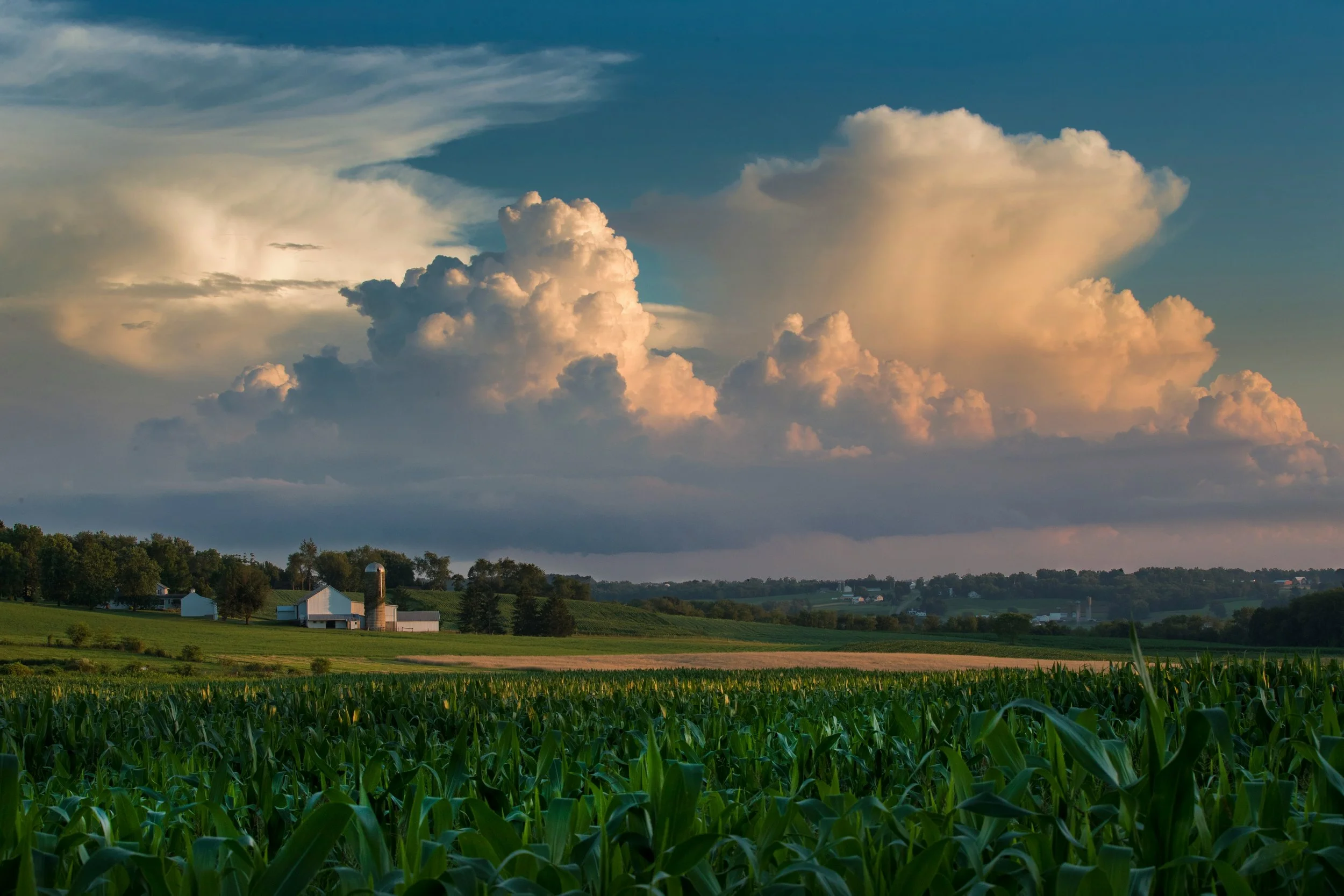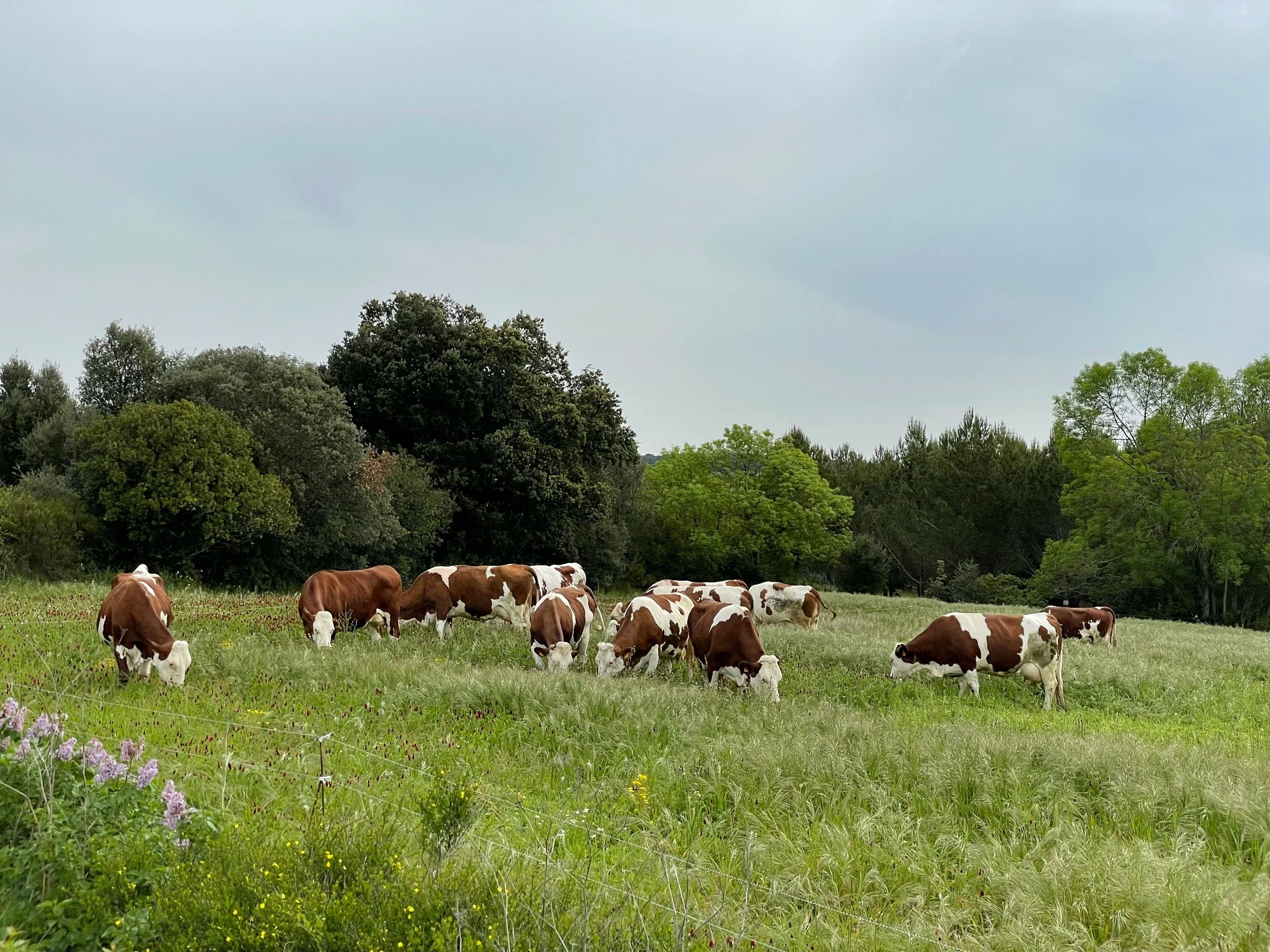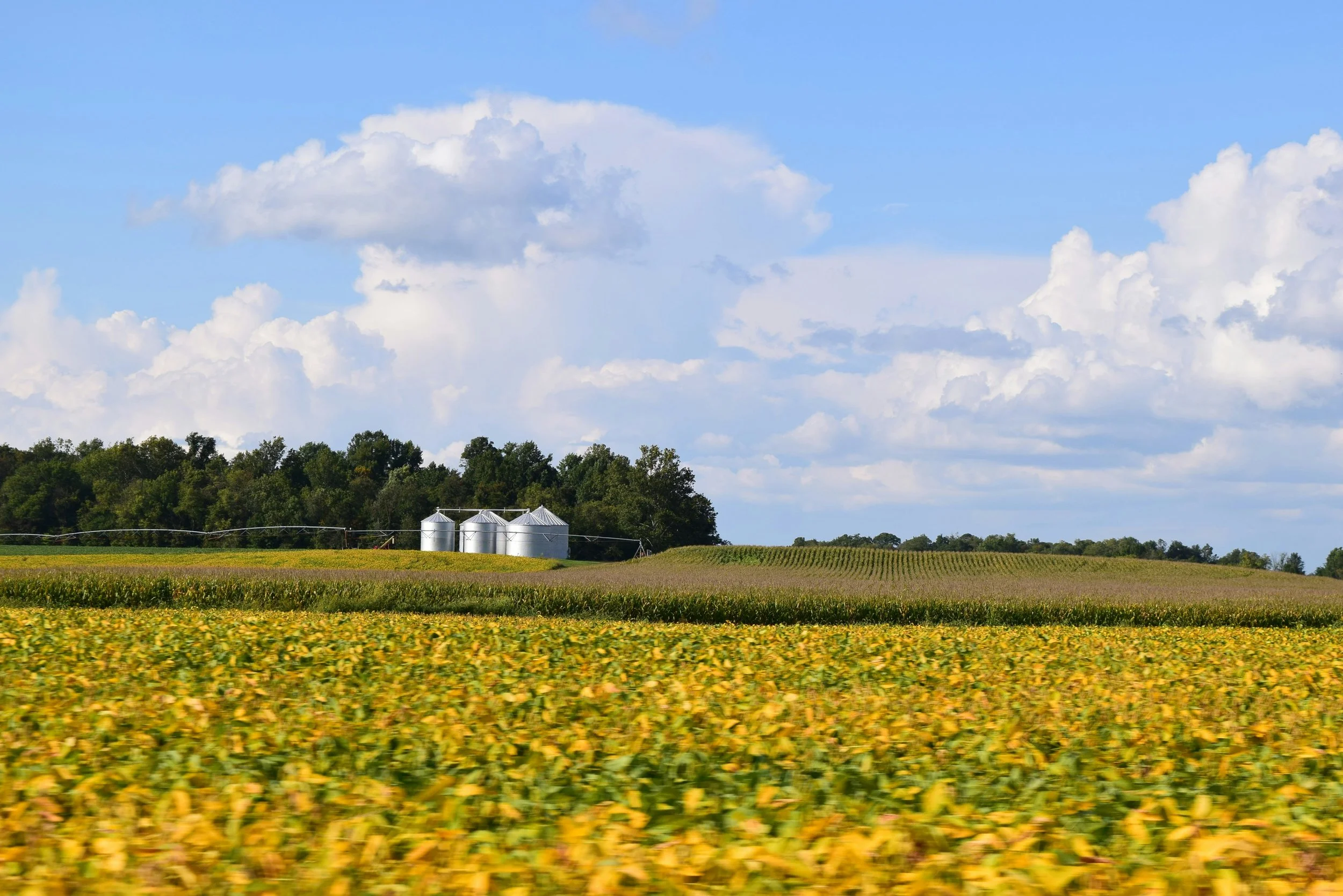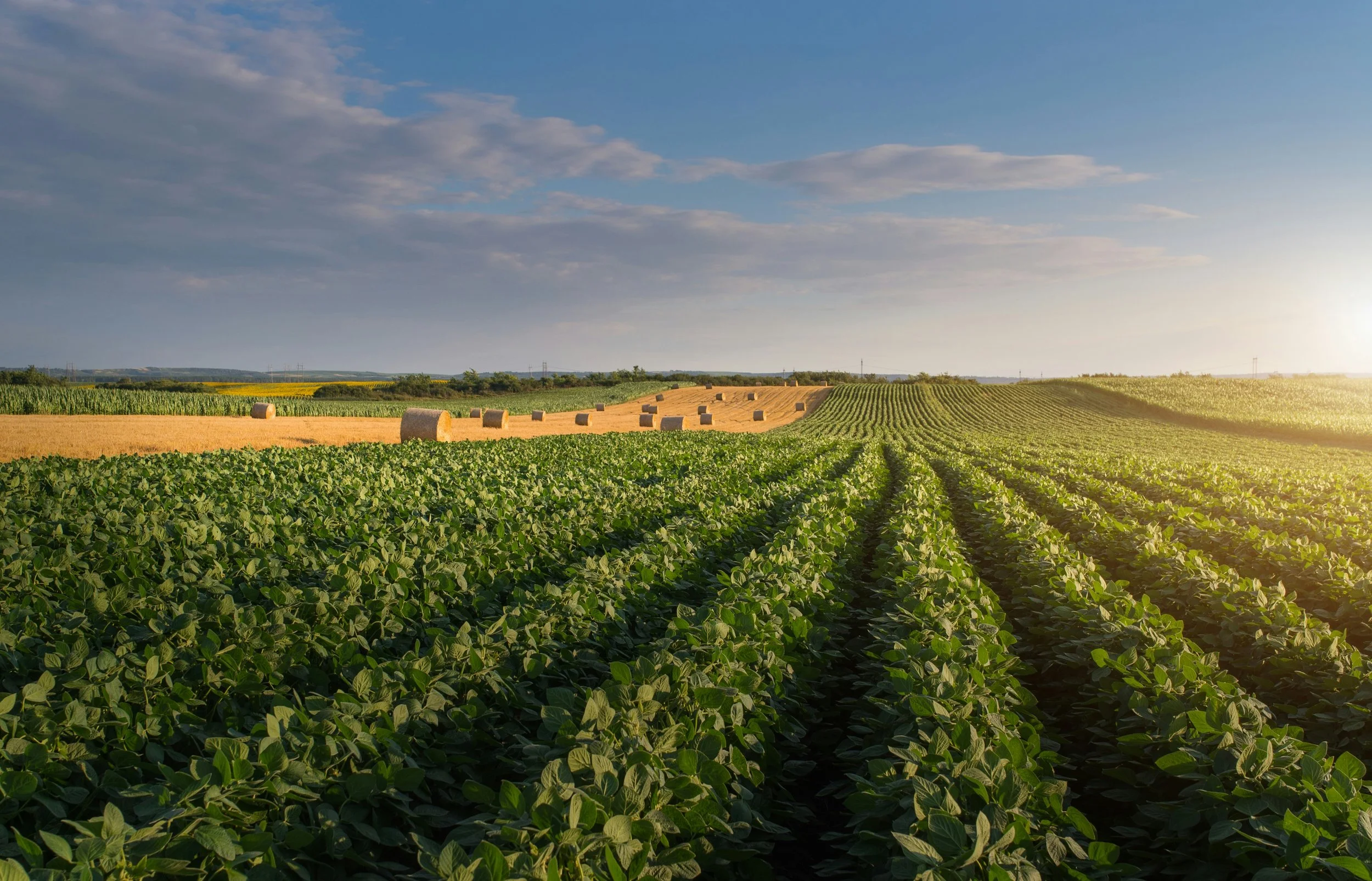
Land Core is supportive of well-managed grazing on public lands as complementary to, rather than opposed to, maintaining healthy grassland landscapes. Across the West and the nation, leading ranchers are using regenerative grazing of livestock as a way to increase the profitability of their operations and provide quality livelihoods, as well as to heal degraded soil, restore wildlife habitat, and replenish dried-up rivers. Regenerative grazing and soil health practices can help foster healthy, resilient landscapes and economic prosperity for the communities that depend on our public lands. These land management practices also support BLM’s mission to sustain the health, diversity, and productivity of public lands for the use and enjoyment of present and future generations, and are consistent with BLM’s multiple-use mandate.
Read MoreDear friends and colleagues,
This quarter brought major movement on federal farm legislation with direct implications for soil health.
As most of you know, on April 30, the House passed its version of the 2026 Farm Bill, the Farm, Food, and National Security Act of 2026 (H.R. 7567). The Senate followed on June 23 with the release of a discussion draft of its Farm Bill, the Agricultural Act of 2026, ahead of an expected committee markup later this month. The Senate draft includes several provisions of note for soil health. Most notably in the Conservation Title, it reauthorizes the Conservation Reserve Program through 2031 with a higher acreage cap and increased payment limitation, raises Agricultural Conservation Easement Program cost-share rates, and establishes a new State Conservation Assistance Program, alongside updates to EQIP and the Conservation Stewardship Program.
Read MoreThe House Farm Bill, called The Farm, Food, and National Security Act of 2026, included 65 marker bills that Land Core tracked across its twelve titles. Titles II (Conservation) and VII (Research) had the largest share, with 18 marker bills each. In Title II, all but one marker bill had bipartisan support. Of the marker bills in Title II that Land Core tracks, 10 were core bills and 8 were secondary. Title VII had a broader mix of sponsorship, with 13 of 18 bipartisan marker bills. Of the bills in Title VII, 12 marker bills were core for soil health, while 6 were secondary. To see the full list of Land Core-tracked marker bills in the House Farm Bill, please see here.
Read MoreDear friends and colleagues,
Congress continued to introduce soil health-related legislation through the first quarter of the year, while also advancing several existing bills through committee and floor action. Notably, the House Agriculture Committee’s Farm Bill legislative text, released on February 13, included 65 bills that Land Core tracked as marker bills across the bill’s twelve titles. Bipartisan support for soil health legislation remains consistent, with conservation and research continuing to attract significant legislative activity.
Read MoreThank you to everyone who signed on to the Letter of Support for the SOIL HEALTH Practices Act. We are grateful for the incredible response across the food and agriculture community. Signatories ranged from farmers and ranchers to food companies, insurance, finance, and ag-tech leaders, conservation groups, and farmer coalitions, representing the broad, cross-sector alliance that believes soil health policy is a cornerstone of a resilient agricultural future.
Read MoreLast week, Land Core submitted our official funding requests to the House and Senate Appropriations Subcommittees on Agriculture for FY27.
Across all of our work, we view soil health as a foundational component of agricultural productivity, resilience, and long-term profitability. Our appropriations priorities focus on select USDA agencies and programs that directly support the work farmers and ranchers do on their land, and which we believe are important targets for sustained investment.
Read MoreOn Friday, February 13, 2026, House Agriculture Committee Republicans released the text of the Farm, Food, and National Security Act of 2026, a draft of the long-overdue farm bill that has the potential to significantly shape US agriculture, conservation, funding, and research policy for the next five years. What follows is a brief summary, organized by Farm Bill Title, of key sections impacting soil health and resilient agriculture systems.
Read MoreComplete this Google Form to sign on to the Letter of Support for the SOIL HEALTH Practices Act.
The letter advocates for USDA to oversee research on the risk reduction associated with cover cropping, reduced tillage, diversified rotations, managed grazing, and other soil health practices over a 3-5 year timeline. If the research indicates reduced risk, USDA would be required to recommend appropriate discounts or incentives for producers.
Read MoreWe commend FCIC for expanding eligibility through the EARP Rule and encourage continued efforts to make crop insurance resources accessible to all producers. We appreciate the opportunity to provide these recommendations and stand ready to support FCIC in strengthening risk management tools that serve farmers nationwide. Land Core believes that federal crop insurance is a cornerstone of a modern agricultural economy and the farm safety net. By shifting incentive structures, farmers can build resilience, taxpayer costs can be reduced, and we can realign financial incentives with land management practices that protect both farm profitability and our nation's food and national security.
Read MoreDear friends and colleagues,
As we’ve progressed toward the end of the calendar year, Congress continued to introduce (and reintroduce) a range of agricultural bills with implications for soil health. While the longest government shutdown in U.S. history slowed the regularity of presented legislation in October and November, as evidenced by the number of new marker bills introduced in this area, bipartisan support for soil health-focused legislation remains consistent.
Read MoreFollowing the longest shutdown in the history of the United States federal government, a long-awaited and highly debated funding package, the Continuing Appropriations, Agriculture, Legislative Branch, Military Construction and Veterans Affairs, and Extensions Act, 2026, was signed into law on November 12, 2025.
The legislation provides a full year of agriculture and FDA funding for FY26 Appropriations, along with a one-year extension of the 2018 Farm Bill, in lieu of the long-overdue five-year farm bill. The bill makes significant funding adjustments for key agricultural agencies and programs, many at lower levels than Land Core’s prior recommendations to strengthen support for soil health.
Read MoreDear friends and colleagues,
Throughout the summer, Congress continued to introduce (and reintroduce) a variety of agricultural legislation with both direct and indirect implications for soil health. While tensions between political parties grew following the signing of President Trump’s One Big Beautiful Bill into law on July 4, 2025, bipartisan efforts to advance soil health-focused legislation remained ongoing.
Read MoreLand Core previously identified four key policy recommendations in response to the Make Our Children Healthy Again: Assessment released on May 22, 2025. We noted that any public policy to address the chronic disease crisis and increasing nutrition insecurity should consider the soil from which food is grown.
Read MoreThe connection between soil health and human health plays a pivotal, but often overlooked role in a wide variety of systemic health problems. A robust and growing body of evidence shows that biologically active, nutrient-rich soils yield more nutrient-dense foods, optimally supporting human health and development, while simultaneously building resilient food production systems. Any public policy to address the chronic disease crisis and increasing nutrition insecurity should consider the soil from which food is grown.
Read MoreThe reconciliation bill, which includes major changes to spending, taxation and the national deficit, also makes major adjustments to agriculture policy and programs, with the Congressional Budget Office estimating an additional $66 billion increase in farm program spending over 10 years.
Read MoreThe 119th Congress has continued to introduce (and re-introduce) a range of agricultural legislation with both direct and indirect implications for soil health. While the overall pace of bill introductions has moderated slightly, there is evidence of growing momentum around shared priorities such as strengthening the resilience of farming communities and expanding economic opportunities for farmers through the expansion of precision agriculture and conservation practices.
Read MoreAt Land Core, we understand that healthy soil is more than an agricultural asset—it’s also a public health imperative. While our work has long emphasized the critical role of soil in building resilience and agricultural viability for our producers, we are equally clear that it plays a foundational role in supporting the health of our communities.
Read MoreIt’s been a very busy year thus far, with our team adding many new bills and several pieces of reintroduced legislation from the previous Congress. This indicates not only continued support for soil health but a commitment to carry over and continue the groundwork laid in preparation for the overdue Farm Bill.
Read MoreExplore the archive of our bill tracker alerts, which provide regular updates on soil health legislation in Congress.
Read MoreLand Core will be expanding its engagement with HHS in the years ahead, supporting the individuals and institutions working to ensure that this emerging soil-centered vision is meaningfully implemented. The potential to reshape national health outcomes through improved food systems grounded in soil health is significant and deserves serious attention.
Read More