

Posts: All | Policy | Risk & Resilience | Education | Newsletters | Events & Announcements

Dear friends & colleagues,
This month brought a significant milestone for soil health and our top policy priority, and we're excited to share it with you!
Report language was included in the committee report (see pg. 55) accompanying the House Appropriations Committee's FY2027 Agriculture-FDA spending bill. It directs RMA to study the risk-reducing benefits of soil health practices, propose policy changes that acknowledge any risk reduction and develop appropriate incentives across commodity crop insurance policies. This language substantively mirrors the objectives of the SOIL HEALTH Practices Act (our farm bill priority), and its inclusion is a meaningful step toward federal recognition of what farmers implementing these practices already know: healthy soils reduce risk. Land Core is now actively working to get this language included in the Senate's version of the Appropriations language.
Dear friends & colleagues,
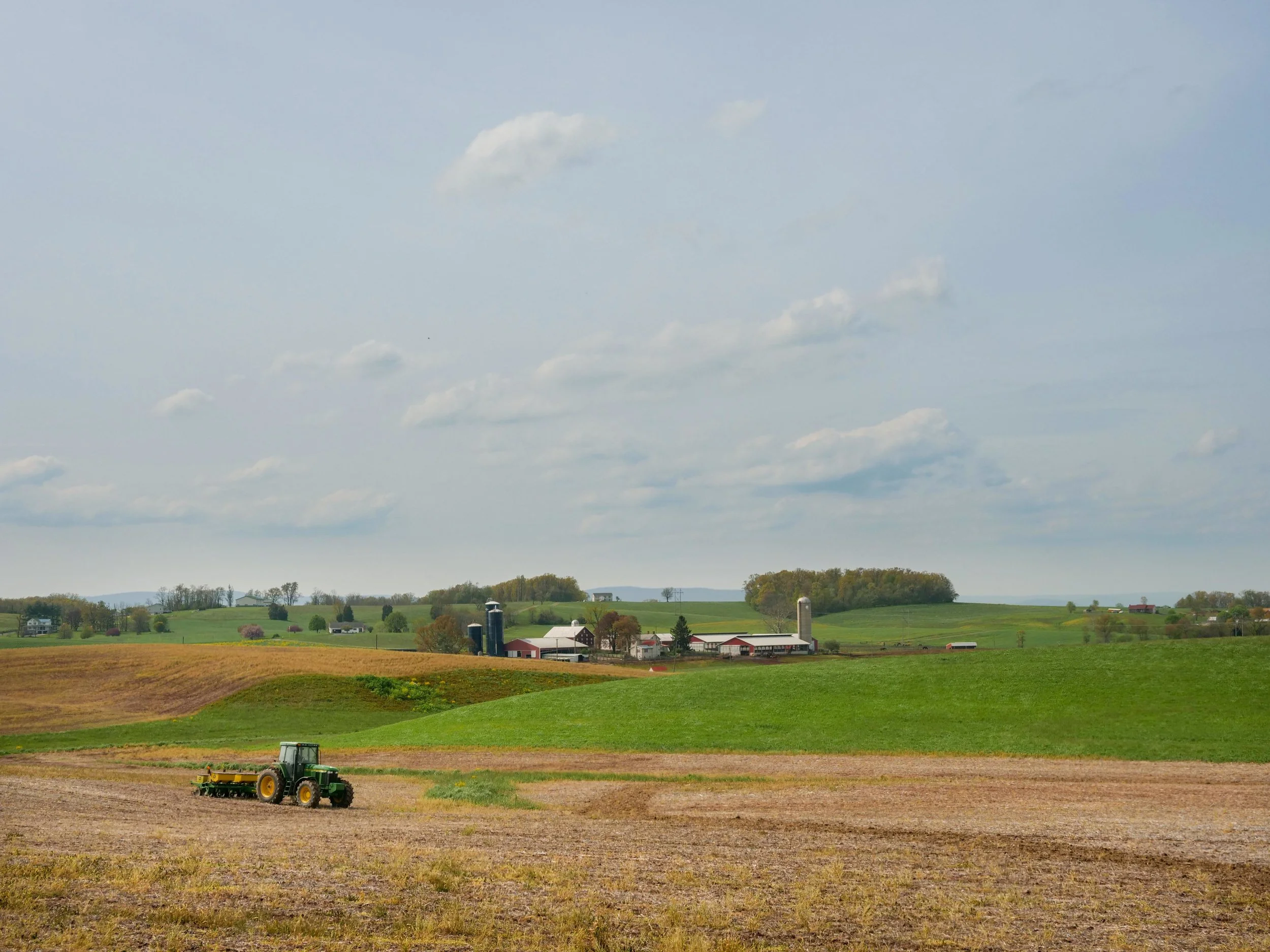
Spring is a season of urgency, both on farms and in Washington. As soil temperatures climb and farmers finalize planting decisions, the pace of federal agriculture policy is quickening alongside them.
The Farm Bill does appear to be inching forward. House Republicans are preparing for a floor vote the week of April 27, and Senate Agriculture Chair John Boozman signaled this week that Senate markup is now a matter of "weeks rather than months" away. While the road ahead is far from certain, the window for long-awaited updates to farm and soil health policy may finally be opening.

The House Farm Bill, called The Farm, Food, and National Security Act of 2026, included 65 marker bills that Land Core tracked across its twelve titles. Titles II (Conservation) and VII (Research) had the largest share, with 18 marker bills each. In Title II, all but one marker bill had bipartisan support. Of the marker bills in Title II that Land Core tracks, 10 were core bills and 8 were secondary. Title VII had a broader mix of sponsorship, with 13 of 18 bipartisan marker bills. Of the bills in Title VII, 12 marker bills were core for soil health, while 6 were secondary. To see the full list of Land Core-tracked marker bills in the House Farm Bill, please see here.

Dear friends and colleagues,
Congress continued to introduce soil health-related legislation through the first quarter of the year, while also advancing several existing bills through committee and floor action. Notably, the House Agriculture Committee’s Farm Bill legislative text, released on February 13, included 65 bills that Land Core tracked as marker bills across the bill’s twelve titles. Bipartisan support for soil health legislation remains consistent, with conservation and research continuing to attract significant legislative activity.

Dear friends & colleagues,
Spring has a way of reminding us what's at stake and what's possible. As soil temperatures rise and planting decisions are made across millions of acres, we’re continuing our work to advance federal soil health policy and support farmers nationwide.
It’s been a busy month for agriculture policy. The House Agriculture Committee passed its version of the Farm Bill out of committee in early March with notable bipartisan support. In addition, agriculture appropriations requests are already being submitted for FY27.
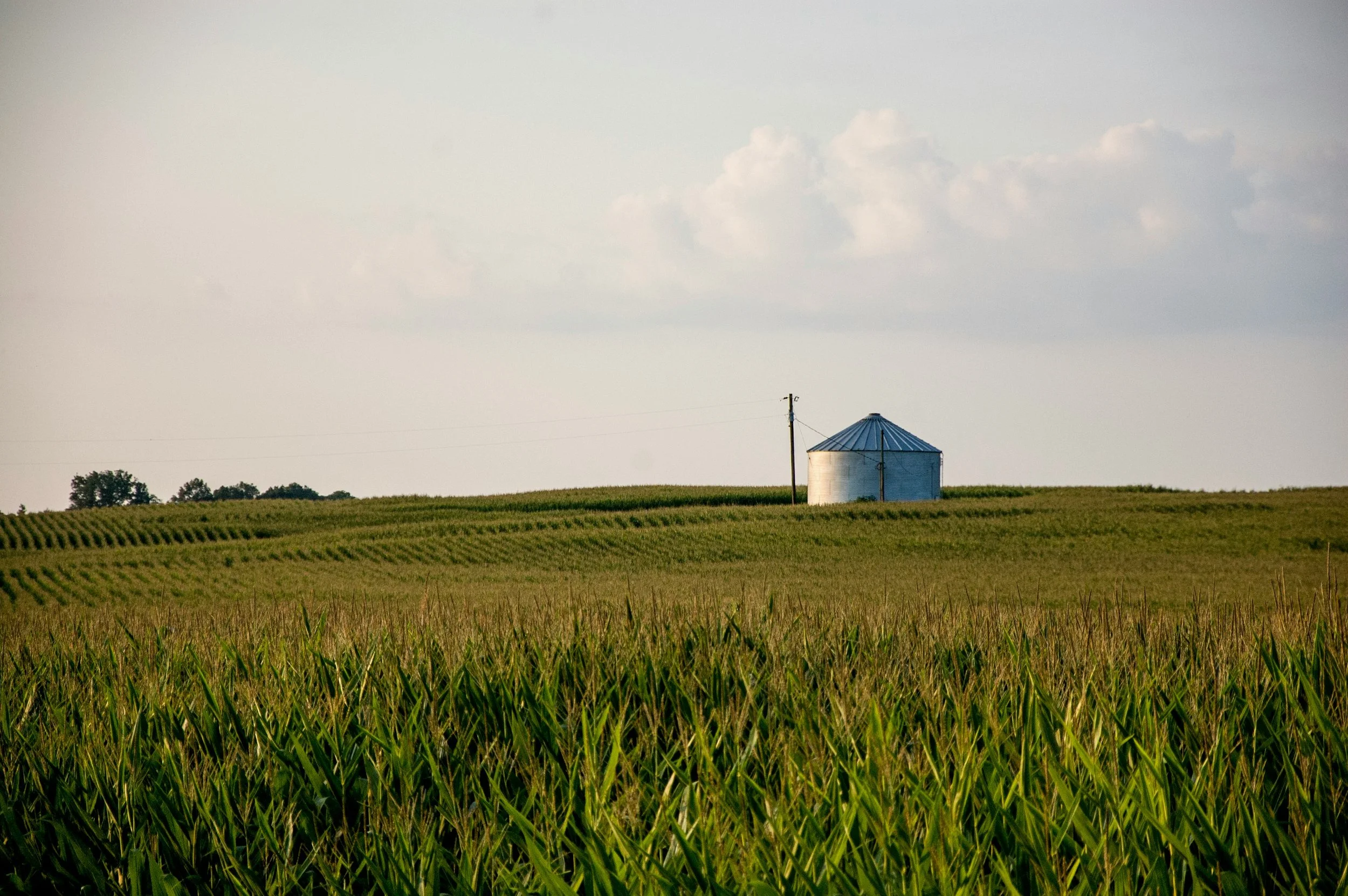
In agriculture, financial survival depends not simply on harvest size, but on revenue: what a field produces, multiplied by what the market will actually pay for it. These two forces do not move independently, and in most Midwest counties, when local harvests are poor and supply tightens, prices tend to rise, offering farmers a partial natural cushion. Even so, commodity price swings contribute roughly three to four times more uncertainty to farm revenue than yield variability does, meaning that market risk, not weather, is the dominant threat to a farm's bottom line.
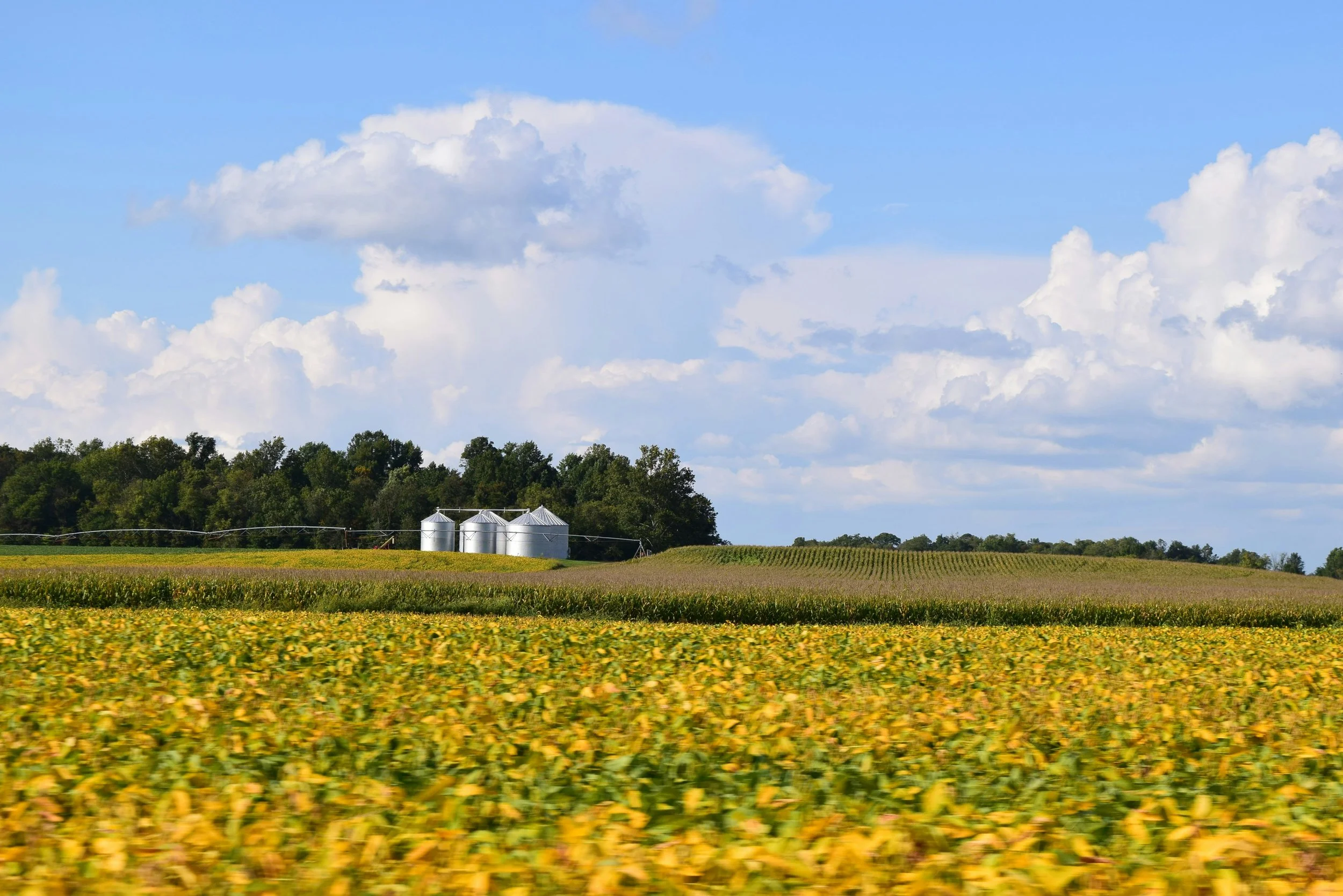
Thank you to everyone who signed on to the Letter of Support for the SOIL HEALTH Practices Act. We are grateful for the incredible response across the food and agriculture community. Signatories ranged from farmers and ranchers to food companies, insurance, finance, and ag-tech leaders, conservation groups, and farmer coalitions, representing the broad, cross-sector alliance that believes soil health policy is a cornerstone of a resilient agricultural future.

Last week, Land Core submitted our official funding requests to the House and Senate Appropriations Subcommittees on Agriculture for FY27.
Across all of our work, we view soil health as a foundational component of agricultural productivity, resilience, and long-term profitability. Our appropriations priorities focus on select USDA agencies and programs that directly support the work farmers and ranchers do on their land, and which we believe are important targets for sustained investment.


Earlier in February, Land Core Co-Founders Aria and Harley joined Michael Dimock on Roots of Change’s “Flipping the Table” podcast to discuss how their business backgrounds shape Land Core’s approach to federal soil health policy. The episode digs into how market-based tools and incentives can drive resilient land management and why soil health resonates with bipartisan stakeholders.
On Friday, February 13, 2026, House Agriculture Committee Republicans released the text of the Farm, Food, and National Security Act of 2026, a draft of the long-overdue farm bill that has the potential to significantly shape US agriculture, conservation, funding, and research policy for the next five years. What follows is a brief summary, organized by Farm Bill Title, of key sections impacting soil health and resilient agriculture systems.
Dear friends & colleagues,
February has already been a busy month for American farmers, soil health, and agriculture policy… but the biggest news is that a new version of the long-awaited House Farm Bill was just released! Feedback on this new text (which came in at a whopping 802 pages!) has been varied, with Democratic opposition being made clear. Read our overview below, and check out the full bill text, a title-by-title 35-page summary, or an even shorter title-by-title 5-page overview.
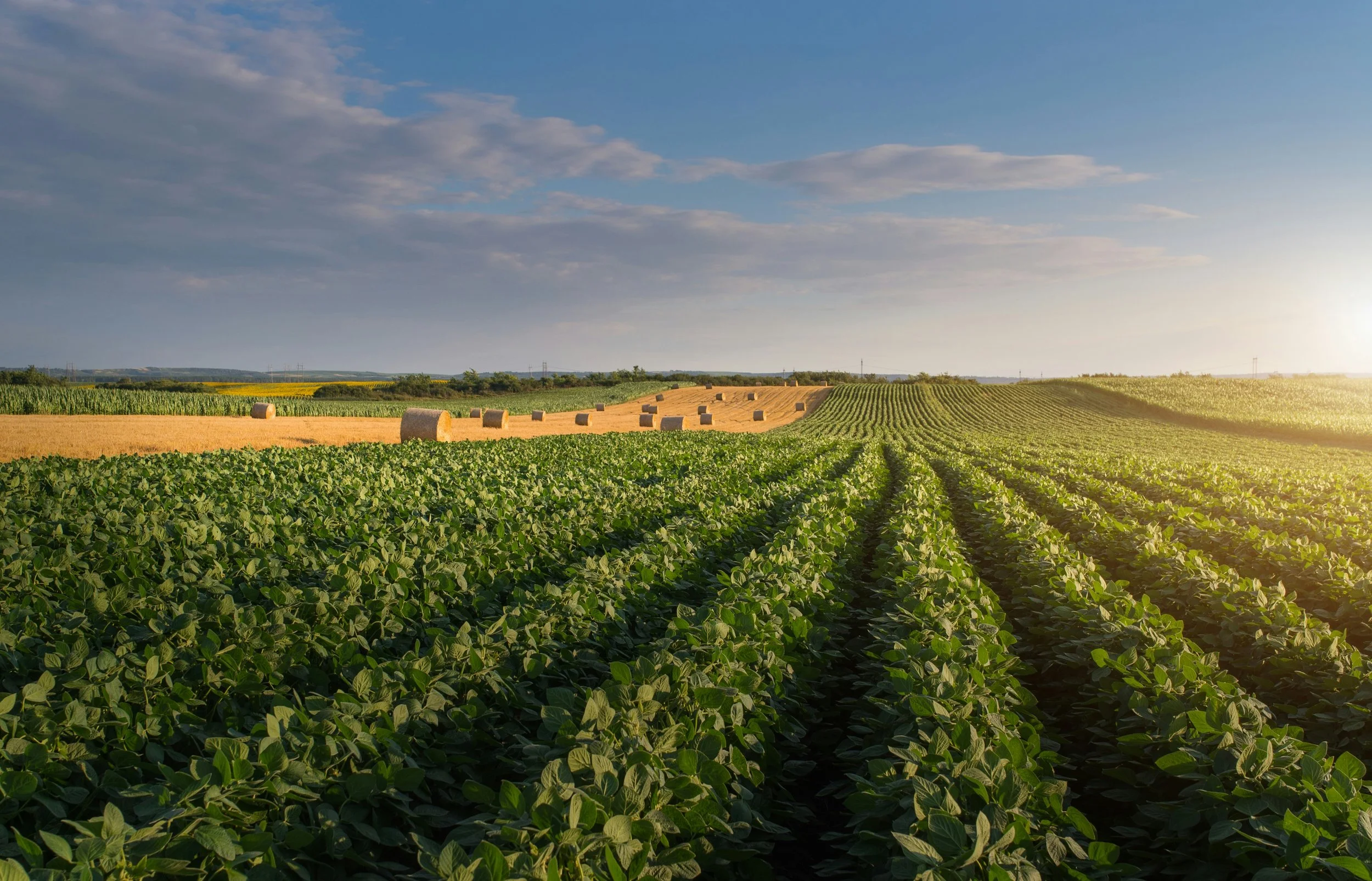
Complete this Google Form to sign on to the Letter of Support for the SOIL HEALTH Practices Act.
The letter advocates for USDA to oversee research on the risk reduction associated with cover cropping, reduced tillage, diversified rotations, managed grazing, and other soil health practices over a 3-5 year timeline. If the research indicates reduced risk, USDA would be required to recommend appropriate discounts or incentives for producers.
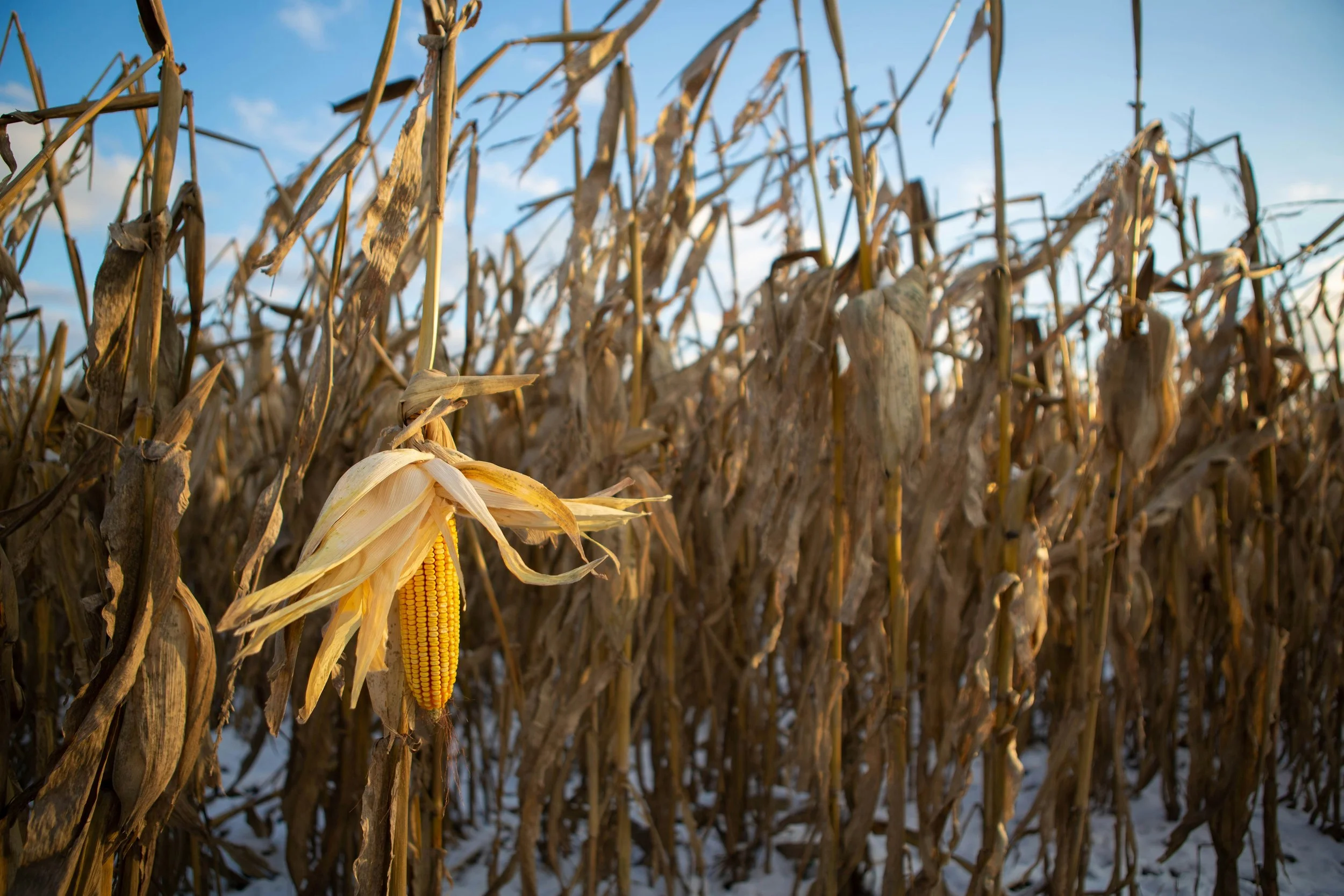
We commend FCIC for expanding eligibility through the EARP Rule and encourage continued efforts to make crop insurance resources accessible to all producers. We appreciate the opportunity to provide these recommendations and stand ready to support FCIC in strengthening risk management tools that serve farmers nationwide. Land Core believes that federal crop insurance is a cornerstone of a modern agricultural economy and the farm safety net. By shifting incentive structures, farmers can build resilience, taxpayer costs can be reduced, and we can realign financial incentives with land management practices that protect both farm profitability and our nation's food and national security.

Dear friends and colleagues,
Happy New Year!
2026 is already filled with both opportunities and challenges for farmers, soil health, and American agriculture.
But before we get into all of the news, we're excited to share Land Core's 2025 Year in Review, which details our research findings, policy progress, and the partnerships we built to advance soil health this past year. Please share it with the soil health advocates, funders, partners, and producers in your network.

Without a doubt, 2025 will be one for the record books—bringing enormous changes, from the scope and scale of government policies impacting farmers to the emergence of soil health as a focus at the Department of Health and Human Services (HHS), as well as regenerative agriculture becoming more widely recognized and incorporated into USDA conservation initiatives. Between shifting trade dynamics, the growth of Food as Medicine initiatives, and the release of several groundbreaking studies on the economic benefits of soil health, it was a pivotal year.
Dear friends and colleagues,
As we’ve progressed toward the end of the calendar year, Congress continued to introduce (and reintroduce) a range of agricultural bills with implications for soil health. While the longest government shutdown in U.S. history slowed the regularity of presented legislation in October and November, as evidenced by the number of new marker bills introduced in this area, bipartisan support for soil health-focused legislation remains consistent.
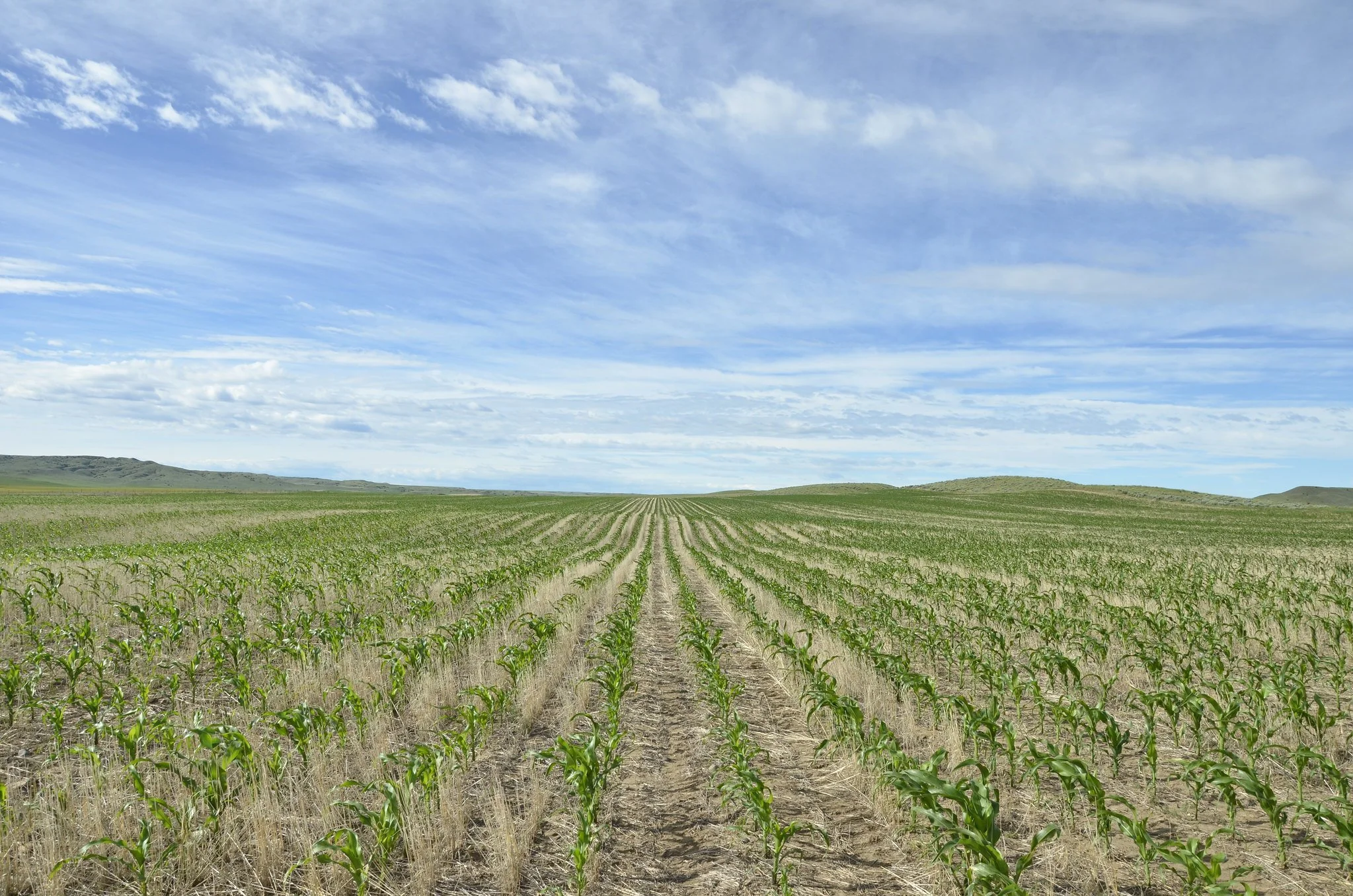
Land Core is pleased to share findings from a recently released paper by Dr. Gina Pizzo, which directly informs our ongoing risk modeling work, and was written as part of our FFAR and USDA AFRI-funded project examining how soil health practices reduce risk.
The research summarized below advances Land Core’s ongoing work to quantify how known soil health practices build resilience in agricultural systems.

Dear friends and colleagues,
Like many of you, our plates are full as we wrap up year-end work and dive into strategic planning for 2026. It's a time to look back and reflect on this year's challenges, progress, and wins. Overall, Land Core is encouraged by the growing recognition that soil health practices not only reduce financial and crop yield risk but also support better health for American farmers and families.
We're also tracking opportunities to continue advancing soil health, including a possible January farm bill markup, while monitoring recent USDA actions that bring both promise and uncertainty for farmers facing unstable markets, high costs, and volatile weather.
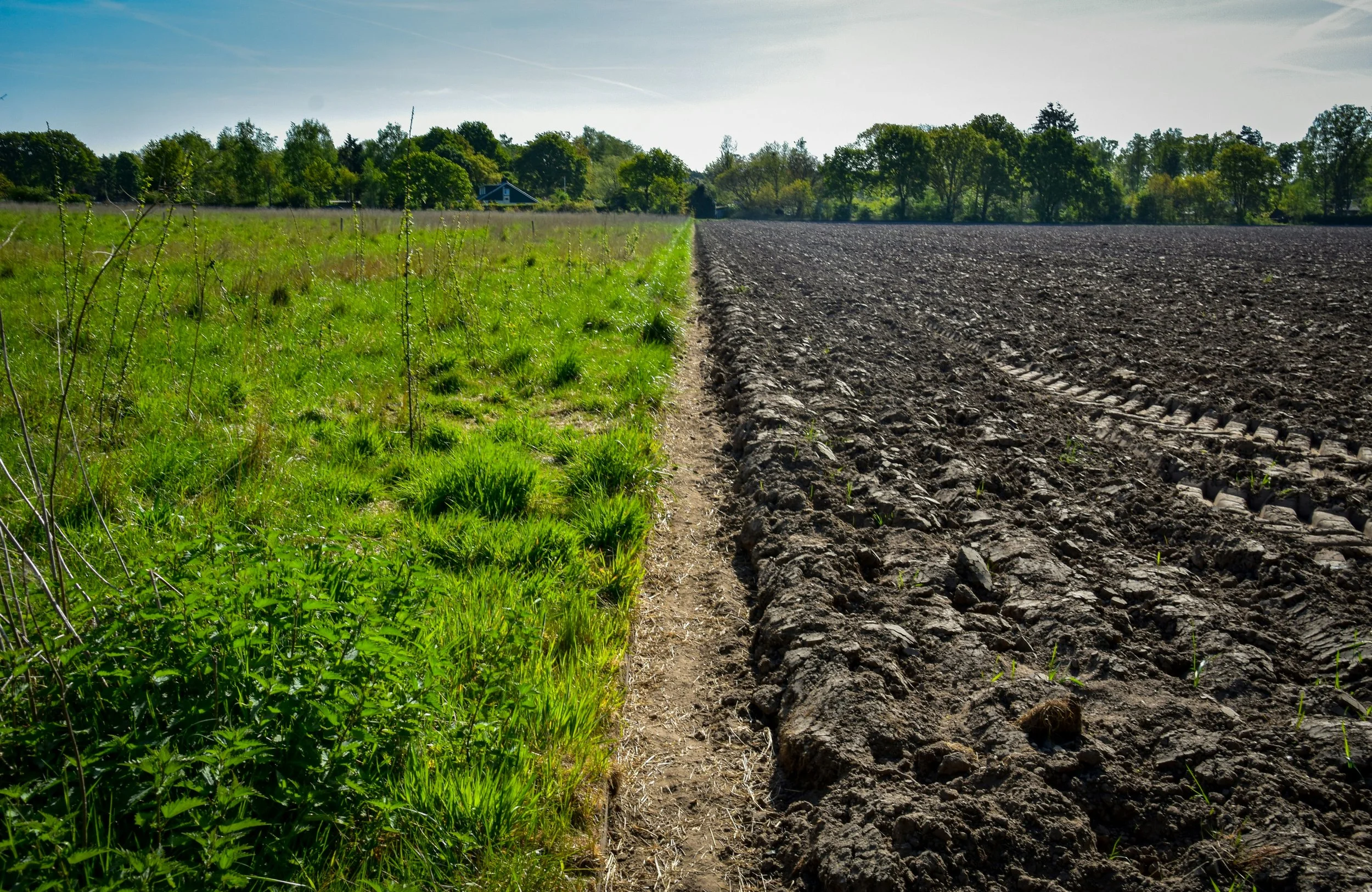
Following the longest shutdown in the history of the United States federal government, a long-awaited and highly debated funding package, the Continuing Appropriations, Agriculture, Legislative Branch, Military Construction and Veterans Affairs, and Extensions Act, 2026, was signed into law on November 12, 2025.
The legislation provides a full year of agriculture and FDA funding for FY26 Appropriations, along with a one-year extension of the 2018 Farm Bill, in lieu of the long-overdue five-year farm bill. The bill makes significant funding adjustments for key agricultural agencies and programs, many at lower levels than Land Core’s prior recommendations to strengthen support for soil health.